
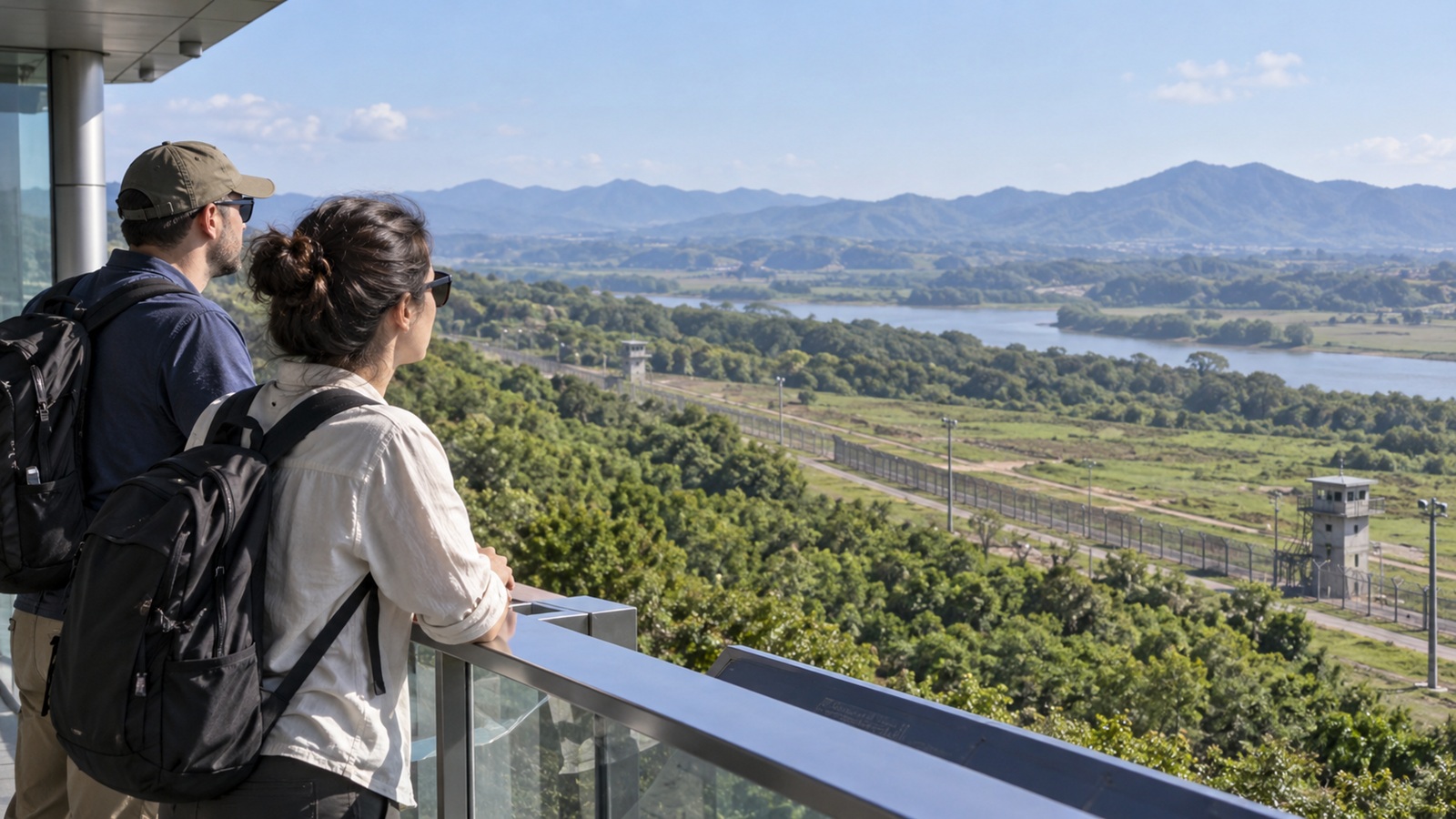
A DMZ tour from Seoul is unlike most day trips you can take in South Korea.
Instead of palaces, shopping streets, or mountain trails, the journey takes you toward one of the world’s most closely watched borders — and to places connected directly with the Korean Peninsula’s division.
For international travelers, however, visiting the DMZ can also be confusing. Which places can you actually visit? Do you need your passport? Is the Joint Security Area part of a normal DMZ tour? And can you simply travel there on your own?
Here is what first-time visitors should know before booking a DMZ tour from Seoul.
What Is the Korean DMZ?
The Korean Demilitarized Zone, usually called the DMZ, is the buffer zone separating South Korea and North Korea.
It was established following the 1953 Korean Armistice Agreement, which halted the fighting of the Korean War without creating a peace treaty.
The DMZ stretches across the Korean Peninsula, so it is not one single tourist attraction. Different border areas have different observatories, museums, tunnels, memorials, and access rules.
For travelers staying in Seoul, Paju in Gyeonggi Province is one of the most accessible areas for experiencing DMZ-related sites.
Can Tourists Visit the DMZ?
Yes, but visiting the DMZ is different from visiting an ordinary attraction.
Some places around Imjingak can be visited relatively easily, while destinations beyond controlled areas have additional access procedures.
Individual access is restricted at a number of DMZ locations. Travelers commonly visit controlled sites as part of an organized DMZ tour or designated local tourism program.
That distinction matters when planning your day. You should not assume that every place marked “DMZ” on a map can simply be reached independently by public transportation.
What Do You See on a DMZ Tour from Seoul?
Exact itineraries vary by operator and can change because of security, weather, or local operating conditions.
However, tours in the Paju area commonly focus on several important locations.

Imjingak
Imjingak is a major tourism and remembrance area south of the DMZ.
It contains monuments and exhibits connected with the Korean War, division of the peninsula, displaced families, and hopes for reunification.
Because it is more accessible than locations deeper inside controlled areas, Imjingak also serves as an important starting point for understanding the border region.
The Third Infiltration Tunnel
The Third Tunnel was discovered in 1978 and is one of four known infiltration tunnels found beneath the border area.
It is approximately 1.6 kilometers long and is the closest of the four known tunnels to Seoul.
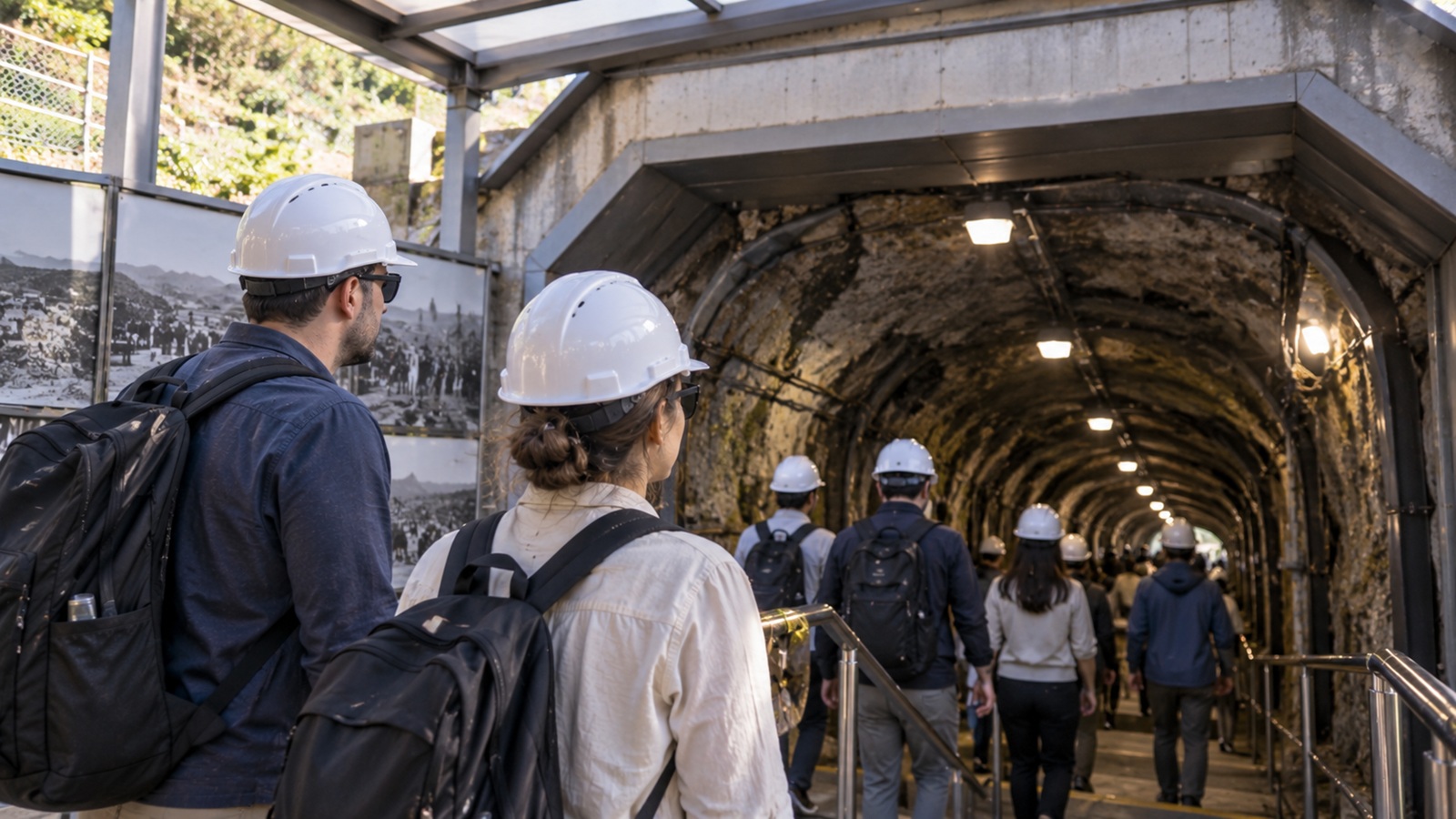
Visitors should be prepared for a physical walk. Sections can feel steep, enclosed, and noticeably cooler than outside.
Comfortable shoes are a much better choice than planning your outfit around photographs.
Dora Observatory
Dora Observatory provides views toward the DMZ and North Korea when visibility is good.
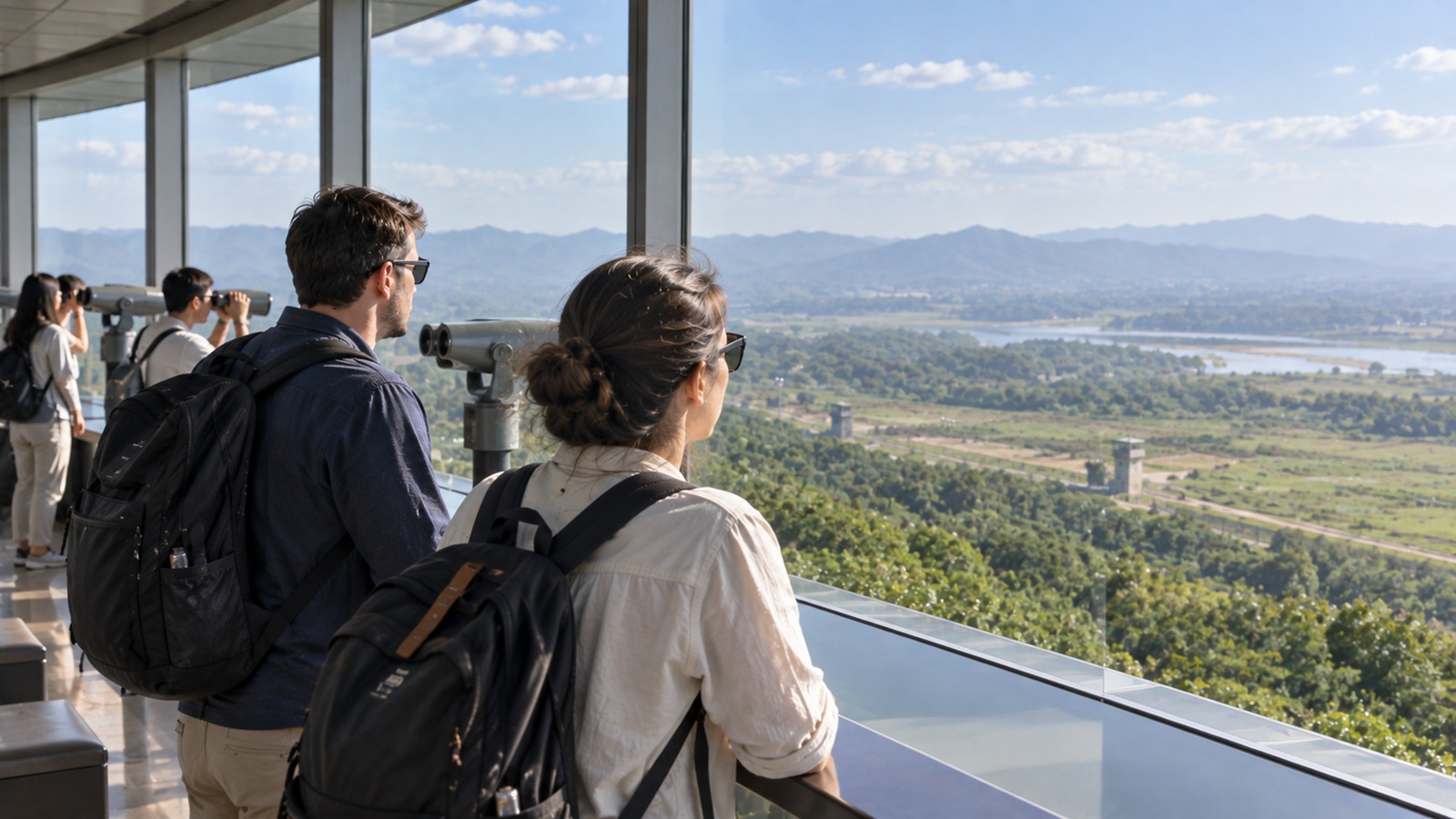
Depending on weather and atmospheric conditions, visitors may be able to see areas including Gaeseong and landscapes north of the border.
Access to Dora Observatory is controlled, and individual visits are not normally permitted.
Is the JSA the Same as a DMZ Tour?
No. This is one of the most important distinctions for first-time visitors.
The Joint Security Area, or JSA, at Panmunjeom is located within the DMZ, but a standard Paju DMZ tour should not automatically be assumed to include Panmunjeom.
Access rules for Panmunjeom are more restrictive and can change according to security and operational conditions.
Official Korea Tourism Organization guidance lists civilian tours of Panmunjeom as suspended. Do not assume that a JSA visit is available simply because a tour company advertises DMZ trips; confirm the latest operating status before making travel plans.
If visiting the JSA is specifically important to you, check its current operating status and eligibility requirements separately before booking anything advertised simply as a “DMZ tour.”
Do not book a regular DMZ tour expecting that you will necessarily stand inside the famous blue conference buildings seen in photographs of Panmunjeom.
Do You Need a Passport for a DMZ Tour?
International visitors should bring their physical passport.
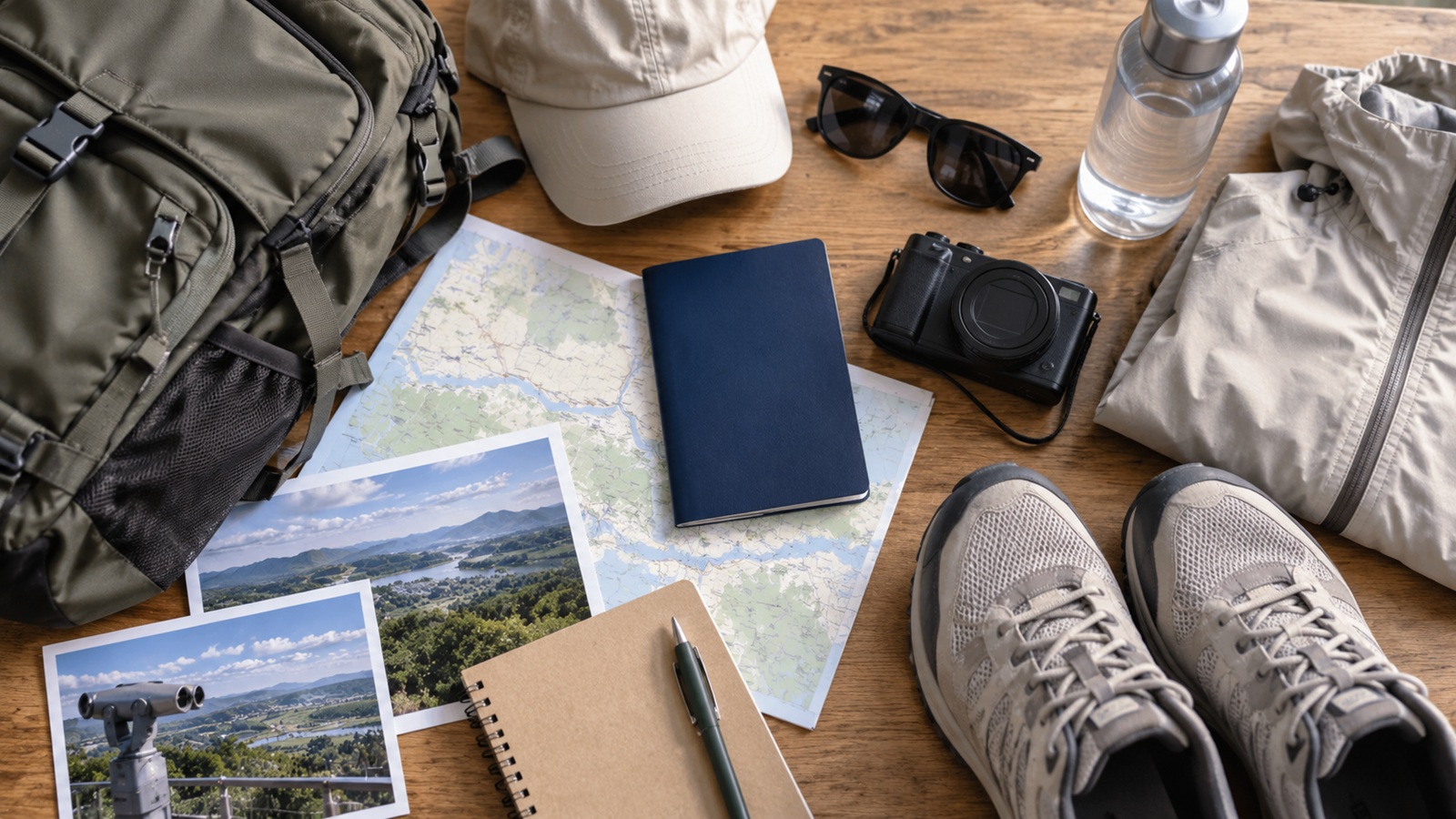
Controlled DMZ attractions can require identification, and official visitor information for sites including the Third Tunnel and Dora Observatory states that visitors must carry identification such as a passport or eligible Korean residence identification.
Do not rely only on a photograph of your passport stored on your phone.
Check the identification requirements provided by your tour operator before departure and bring the original document requested.
Can You Visit the DMZ Without a Tour?
It depends on what you mean by “the DMZ.”
You can independently reach some attractions in the broader Imjingak area. But access becomes much more restricted when a destination lies beyond civilian control points.
For example, individual visits are not allowed at Dora Observatory. Access is connected to the DMZ Peace Tour departing from the Imjingak area.
For a first-time international visitor staying in Seoul, an organized tour is therefore often the simplest way to handle transportation, access procedures, and timing for controlled attractions.
How Long Does a DMZ Tour Take?
The controlled DMZ portion itself may take only several hours, but travelers starting in Seoul also need to account for transportation to and from Paju.
Commercial itineraries range from shorter half-day experiences to longer day trips.
Rather than choosing only by advertised duration, check exactly what the itinerary includes.
A shorter tour may suit travelers with limited time, while a longer itinerary may include additional border-related attractions.
Allow some flexibility in your schedule. A DMZ tour operates in a sensitive border region, so access or timing can change.
What Should You Bring?
A little preparation makes the trip much easier.
Bring your physical passport, comfortable walking shoes, weather-appropriate clothing, water where permitted, and a small amount of flexibility.
The Third Tunnel deserves particular attention if you have mobility concerns. The walking route includes slopes and confined underground sections.
Photography is another important consideration.
Do not assume that photographs are permitted everywhere simply because other visitors are using their phones. Controlled areas may have specific photography restrictions, so follow signs and instructions from staff or your guide.
When Is the Best Time to Visit?
There is no single perfect season for visiting the DMZ.
Spring and autumn can offer comfortable temperatures for walking, while summer can be hot and humid. Winters in northern Gyeonggi Province can be considerably colder than many international visitors expect.
Visibility also matters if seeing across the border from an observatory is important to you.
Even on a well-planned trip, haze, rain, fog, or other weather conditions can limit distant views.
Think of the observatory view as one part of the experience rather than a guaranteed panorama.
Can a DMZ Tour Be Cancelled?
This is one trip from Seoul where travelers should take operational warnings seriously.
DMZ attractions can be affected by military circumstances, security restrictions, weather, maintenance, or other local operating conditions.
An itinerary advertised when you make your reservation may therefore be modified later.
Before leaving your hotel, check the latest information from your operator or the relevant official tourism source.
Is a DMZ Tour Worth Adding to a Seoul Trip?
That depends on what you want from your time in Korea.
If your itinerary is focused entirely on food, shopping, nightlife, and entertainment, the DMZ may feel very different from the rest of your trip.
That difference is precisely why many travelers find it meaningful.
Travelers looking for another experience that reveals a quieter side of Korea can also consider a Korean temple stay, which offers a very different perspective on the country beyond central Seoul.
Seoul is a highly modern city, but the division of the Korean Peninsula remains part of contemporary Korean reality. Visiting the border region can provide context that is difficult to understand from central Seoul alone.
The experience is less about collecting another landmark and more about seeing how history, security, separation, and hopes for peace coexist in present-day Korea.
A Simple DMZ Day-Trip Plan from Seoul
For most first-time visitors, keep the plan straightforward.
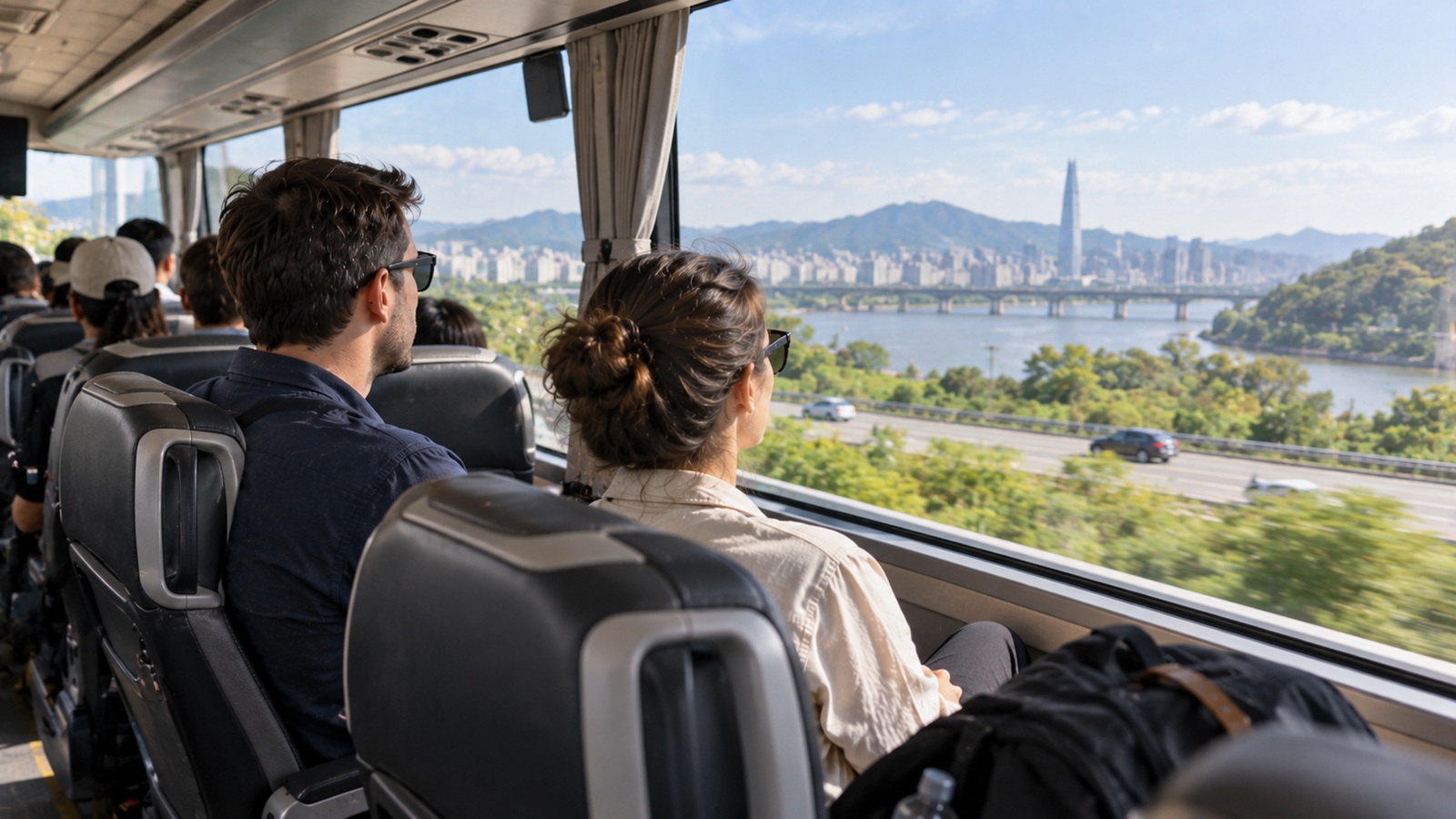
Leave Seoul in the morning with a pre-booked tour, travel north toward Paju, visit the scheduled DMZ attractions, and return to Seoul later in the day.
If you are still getting comfortable with transportation in the city, our Seoul subway and T-money guide explains the basics of getting around before and after your day trip.
Avoid packing an important evening reservation immediately after your expected return time.
Border-area itineraries are not the best place for a schedule with zero flexibility.
And most importantly, check the current itinerary before booking. “DMZ tour” is a broad label, and two tours with similar names may include different places.
Final Tips Before You Book
A DMZ tour from Seoul can be one of the most thought-provoking day trips available to international visitors in Korea.
But it rewards preparation.
Bring your passport. Wear comfortable shoes. Check exactly which locations your tour includes. Treat photography restrictions seriously. And confirm current access conditions shortly before your visit.
Above all, remember that the DMZ is not a theme park built for tourism. It is an active and historically significant border created by a conflict whose political and human consequences continue today.
Approaching the area with that context makes the visit much more meaningful.
Frequently Asked Questions
Do foreigners need a passport for a DMZ tour in Korea?
International visitors should bring their physical passport. Controlled DMZ attractions may require identification, and requirements should be confirmed with the tour operator before departure.
Can I visit the DMZ by myself?
Some attractions around Imjingak are independently accessible, but many locations beyond controlled areas are not open to individual visitors. First-time travelers commonly use an organized tour for controlled DMZ attractions.
Does every DMZ tour include the JSA?
No. The Joint Security Area at Panmunjeom should be treated separately from a standard DMZ tour. Access conditions are more restrictive and can change, so check current JSA availability before booking.
How far is the DMZ from Seoul?
The DMZ stretches across the Korean Peninsula rather than existing at one point. The Third Tunnel in Paju, one of the most common destinations for Seoul-based tours, is roughly 50 kilometers north of central Seoul.
How long should I allow for a DMZ tour from Seoul?
Allow at least half a day, and potentially most of the day depending on transportation and the itinerary. Do not schedule something time-sensitive immediately after your expected return.
Can DMZ tours be cancelled at short notice?
Yes. Access and itineraries can change because of security conditions, military circumstances, weather, maintenance, or other operational restrictions. Check the latest information before departure.
Sources & Further Reading
Korea Tourism Organization — Demilitarized Zone (DMZ) Tours
Korea Tourism Organization — The 3rd Tunnel
Korea Tourism Organization — Dora Observatory
Korea Tourism Organization — Panmunjeom (Joint Security Area)