Which Korean Sauces Should You Buy in Korea? A Traveler’s Guide
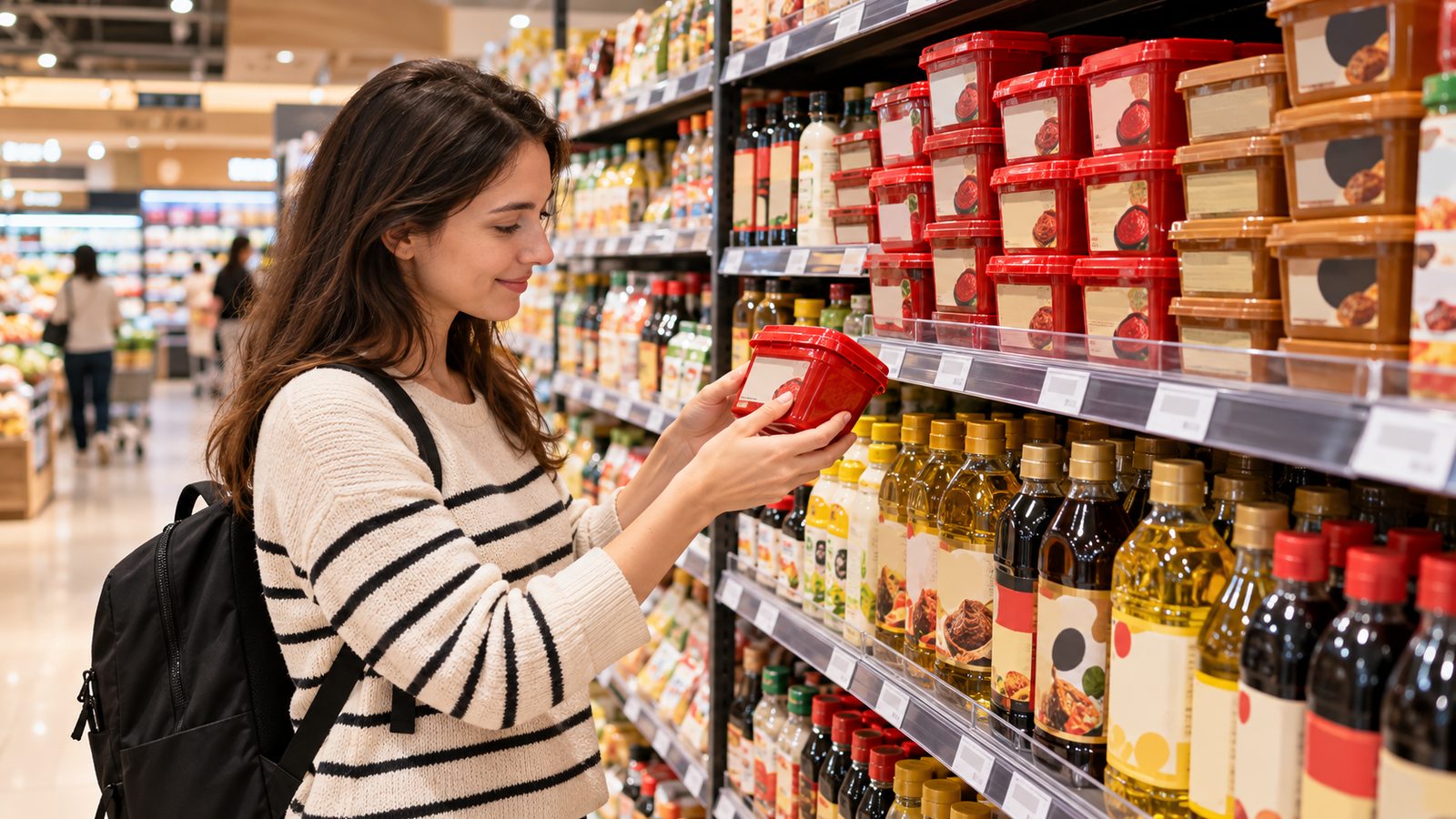
Traveler shopping for Korean sauces and seasonings at a supermarket in South Korea

K-beauty products and snacks may fill plenty of suitcases leaving South Korea, but another kind of souvenir is easy to spot in Korean supermarkets: sauces and seasonings. Gochujang, ssamjang, doenjang and bottles of fragrant sesame oil offer something a little different from a typical souvenir. They let travelers recreate some of the flavors they discovered … 더 읽기
Food Allergies in South Korea: What Travelers Need to Know

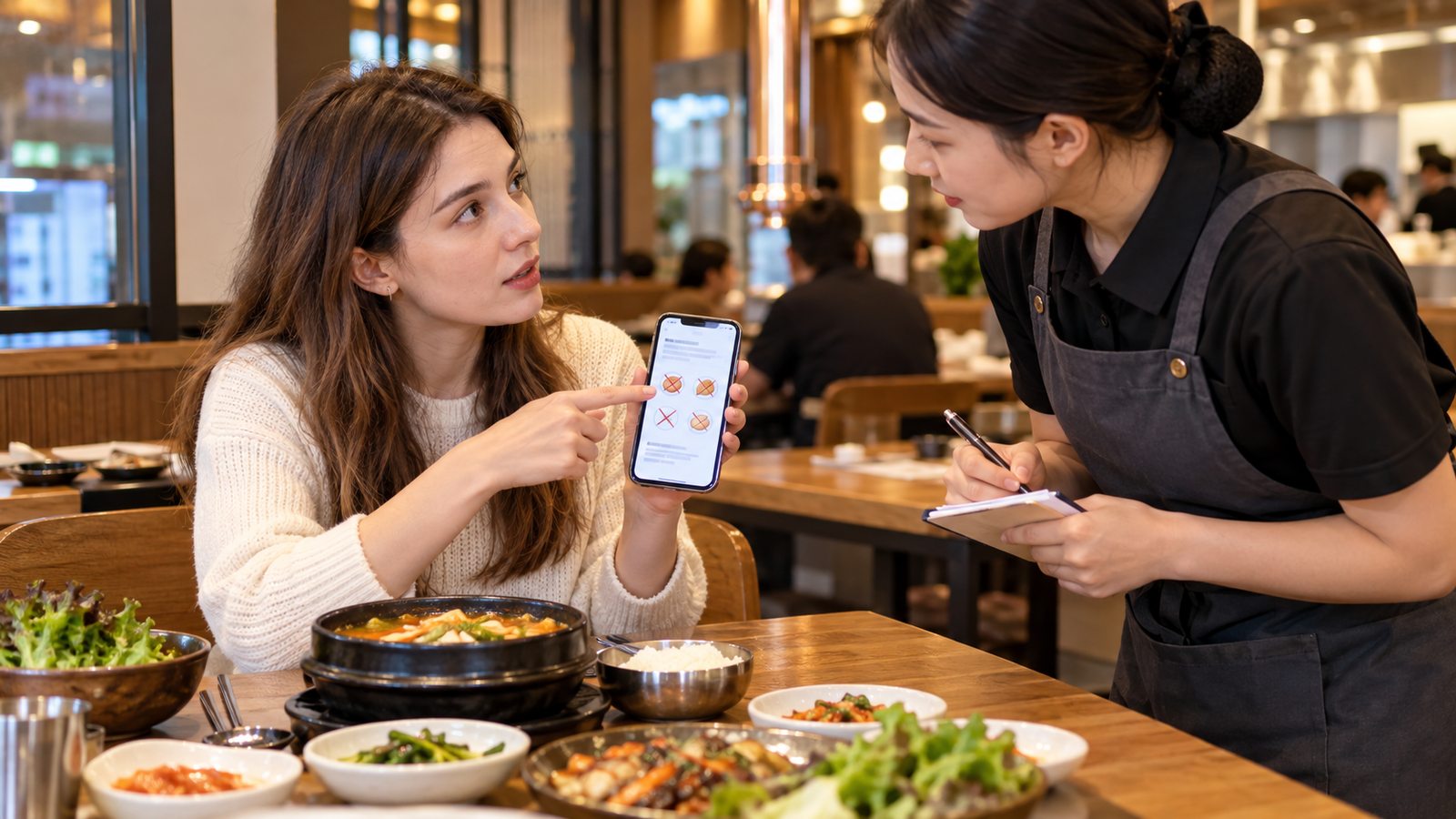
International traveler discussing a food allergy with restaurant staff in South Korea

Traveling through South Korea with a food allergy requires more preparation than simply learning the names of a few dishes. Korean packaged foods have allergen-labeling requirements, but eating at a restaurant is different. A sauce, broth, garnish or shared cooking surface can matter just as much as the ingredients you can see. That makes one … 더 읽기

Vegetarian Food in Korea: What Travelers Need to Know

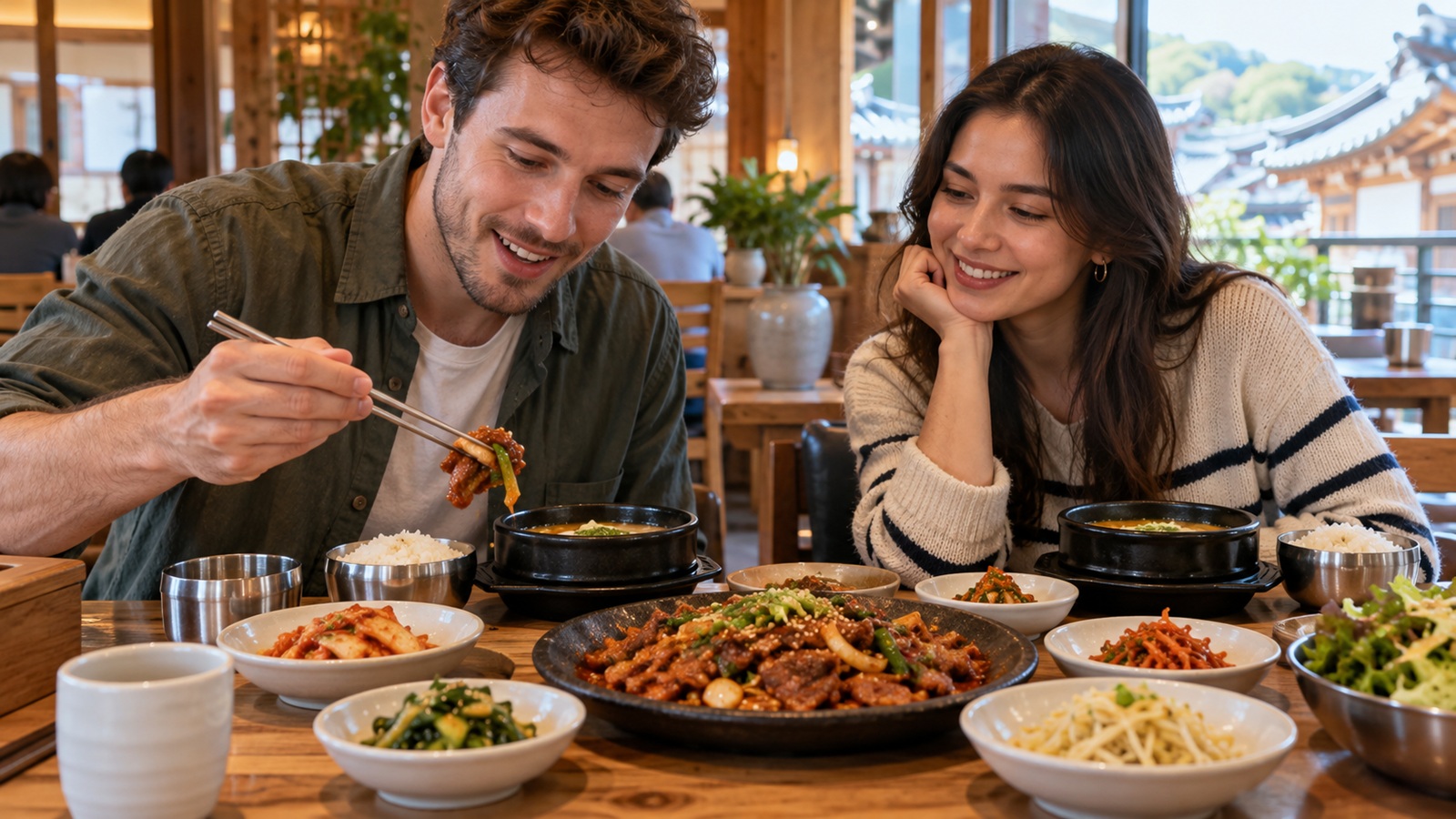
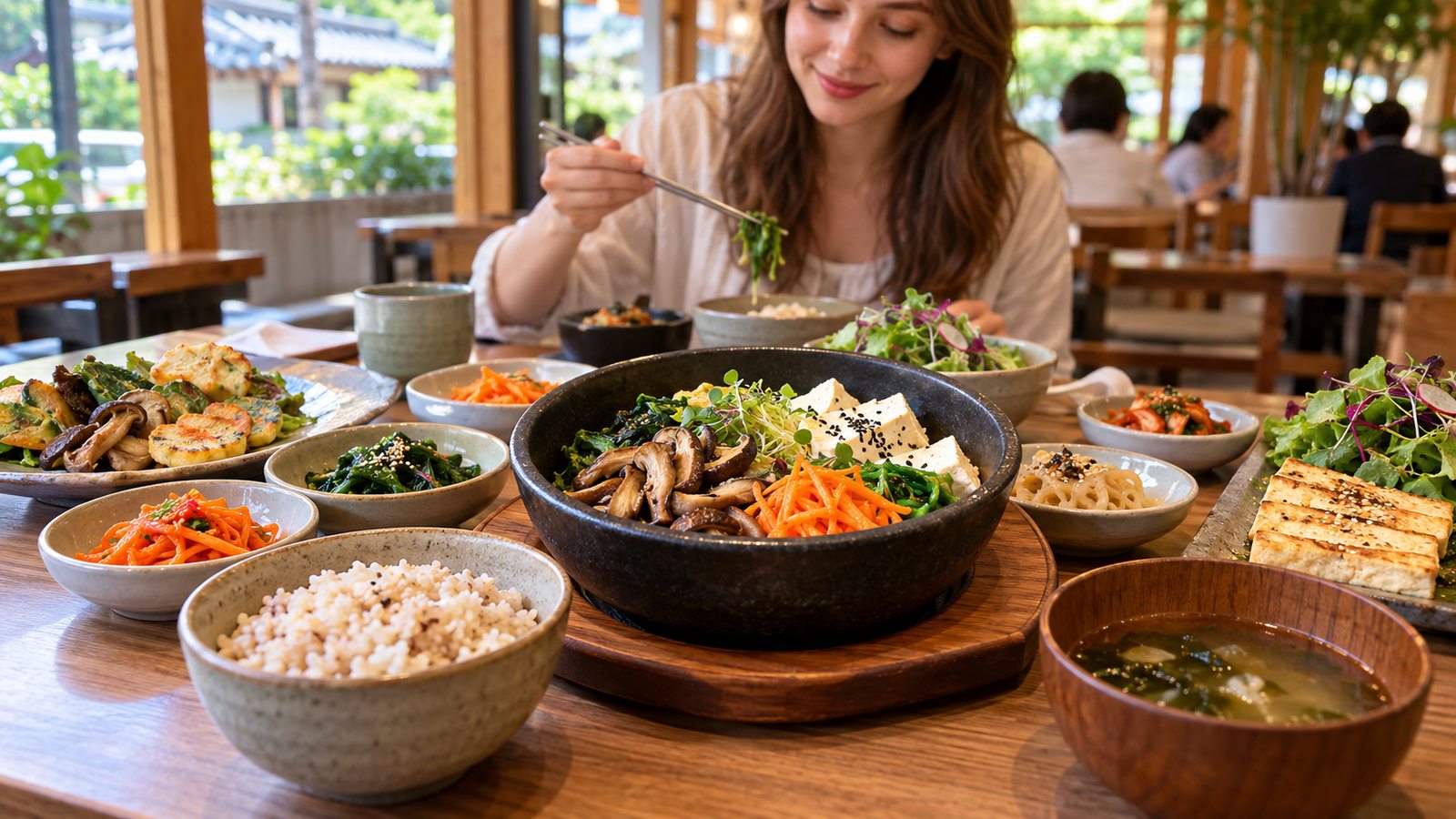
Korean vegetarian meal with rice, tofu and vegetable side dishes for travelers in South Korea

Finding vegetarian food in Korea is possible, but it can require more checking than simply looking for a dish without visible meat. Korean meals often include plenty of vegetables, tofu, rice and vegetable side dishes. The complication is what you cannot immediately see: a soup may use anchovy or meat stock, kimchi may contain seafood-based … 더 읽기

What Is a Korean Cooking Class in Seoul Like? A First-Timer’s Guide

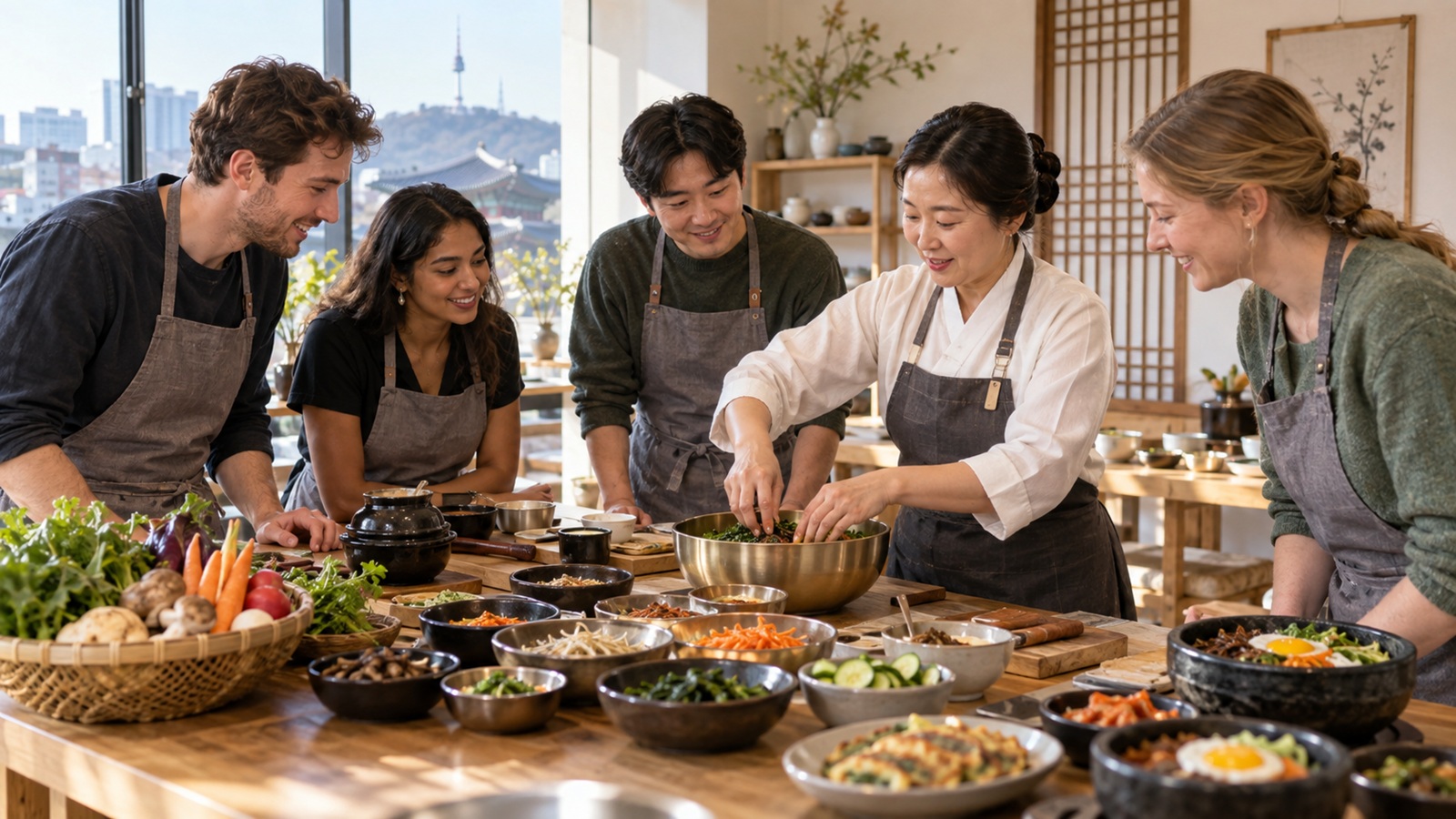
International travelers learning to cook Korean food in a Seoul cooking class

Eating Korean food is one of the highlights of a trip to Seoul. But for travelers who want to go beyond ordering bibimbap or trying street food, a Korean cooking class offers a more hands-on way to understand what goes into the dishes. Cooking experiences in Seoul vary widely. Some take place entirely in a … 더 읽기

What Is Han River Ramyeon? A First-Timer’s Guide to Eating Ramen by the Han River

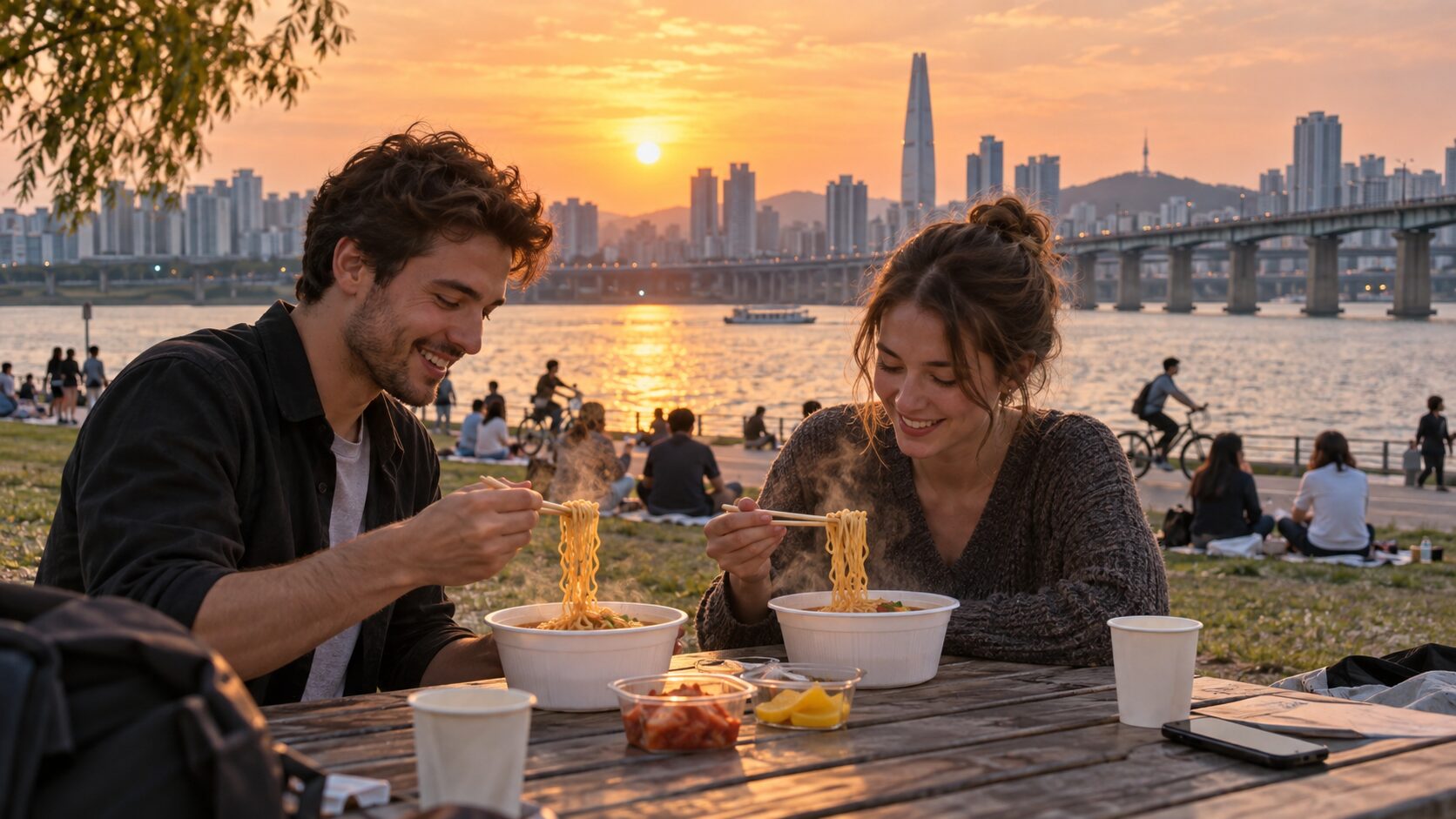
Travelers eating freshly cooked ramyeon beside the Han River in Seoul at sunset

A packet of instant noodles, a self-service cooker and a seat overlooking the Han River may not sound like a major Seoul attraction. But together, they have become one of the city’s most recognizable casual food experiences. Known as Han River ramyeon, or Hangang ramyeon in Korean, the ritual is simple: buy a packet of … 더 읽기

Korean Convenience Store Food: What Tourists Should Try in Korea

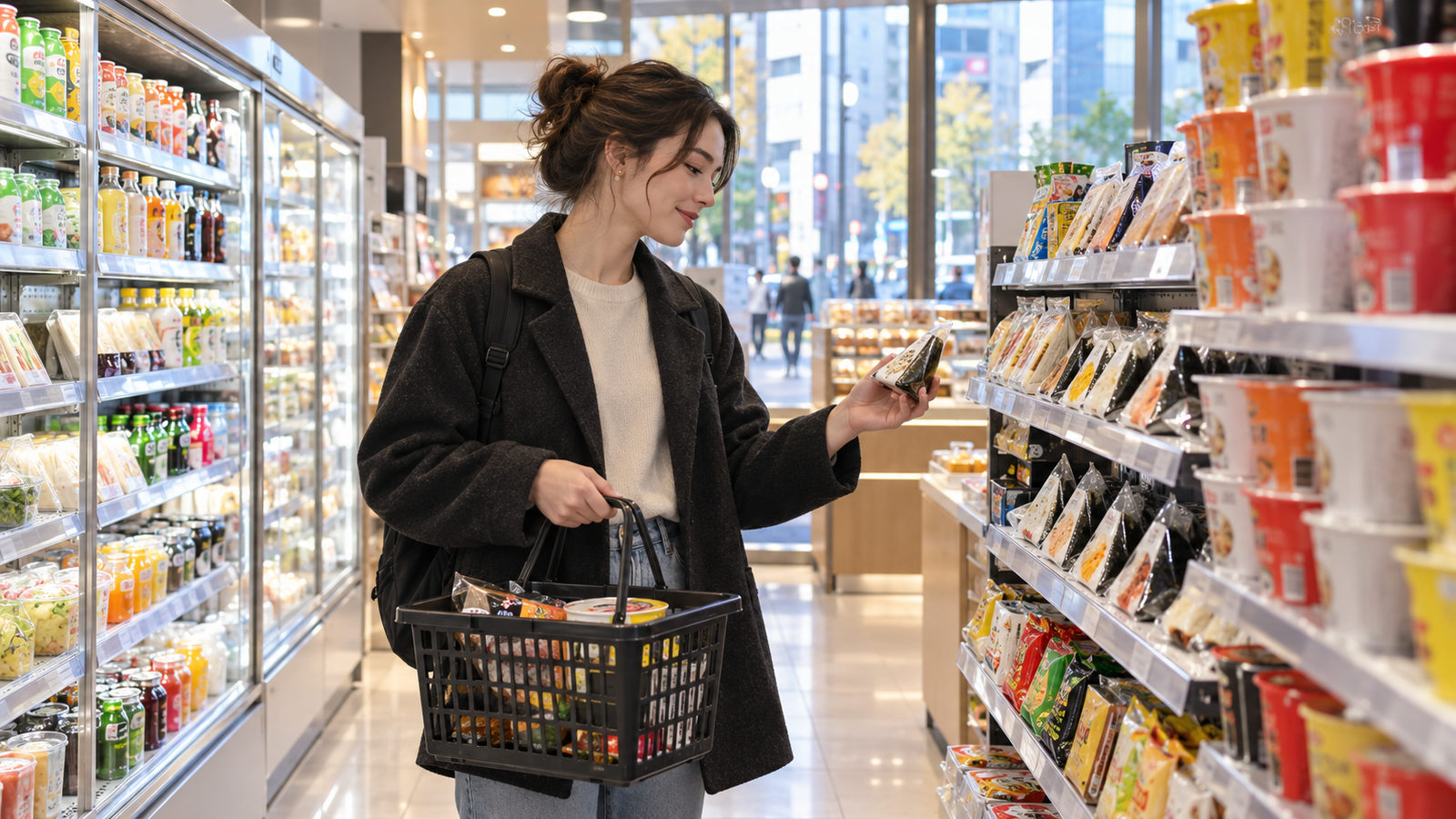
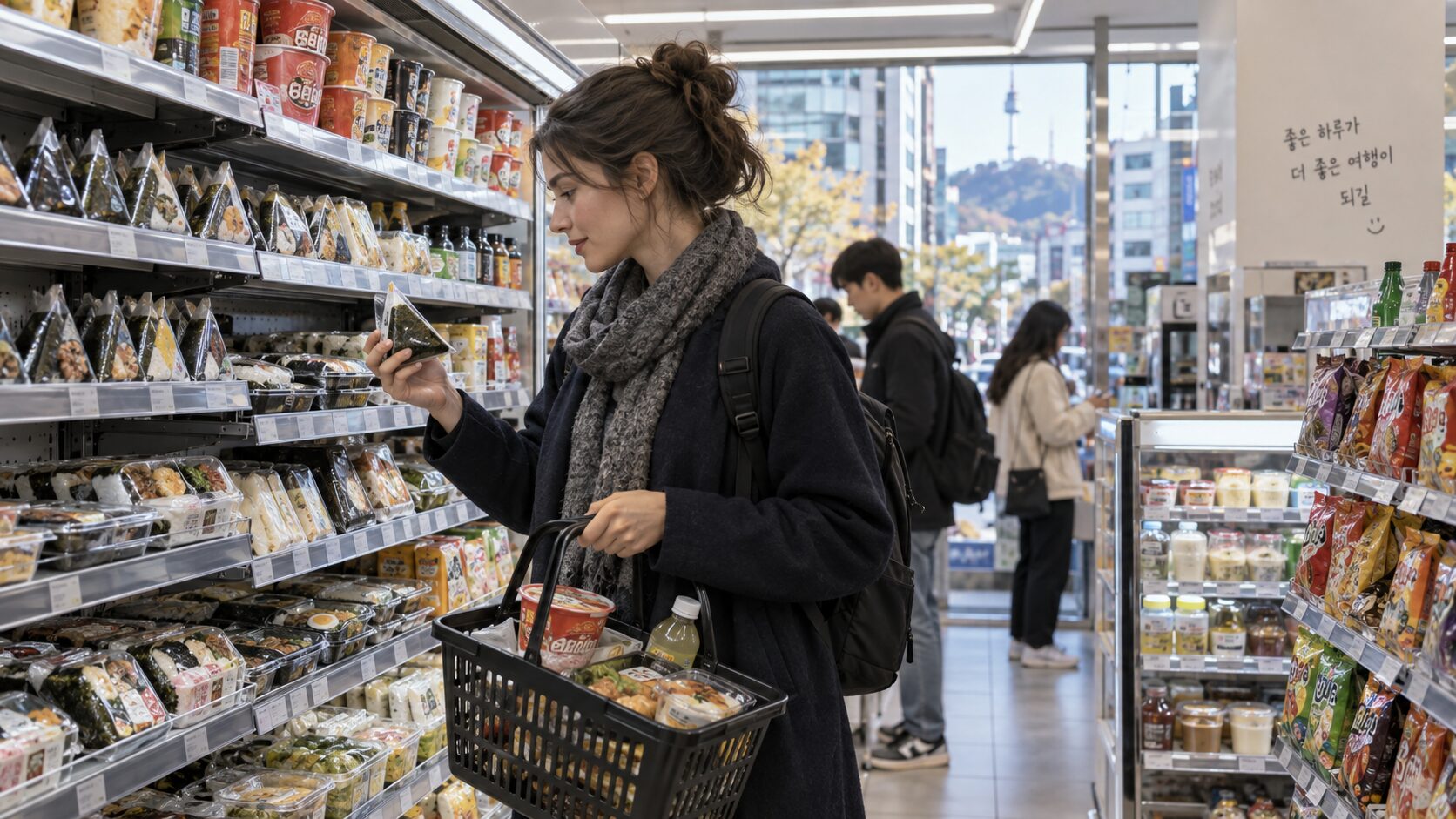
Traveler browsing ramen, gimbap and ready-to-eat food at a Korean convenience store

For many travelers, a Korean convenience store is no longer just a place to grab a bottle of water. It has become part of the Korea experience. Visitors walk in looking for instant ramyeon, triangular gimbap, ready-made meals, drinks and desserts they have seen in Korean dramas, YouTube videos or social media. Some combine several … 더 읽기

What Is Tteok? A Beginner’s Guide to Korean Rice Cakes

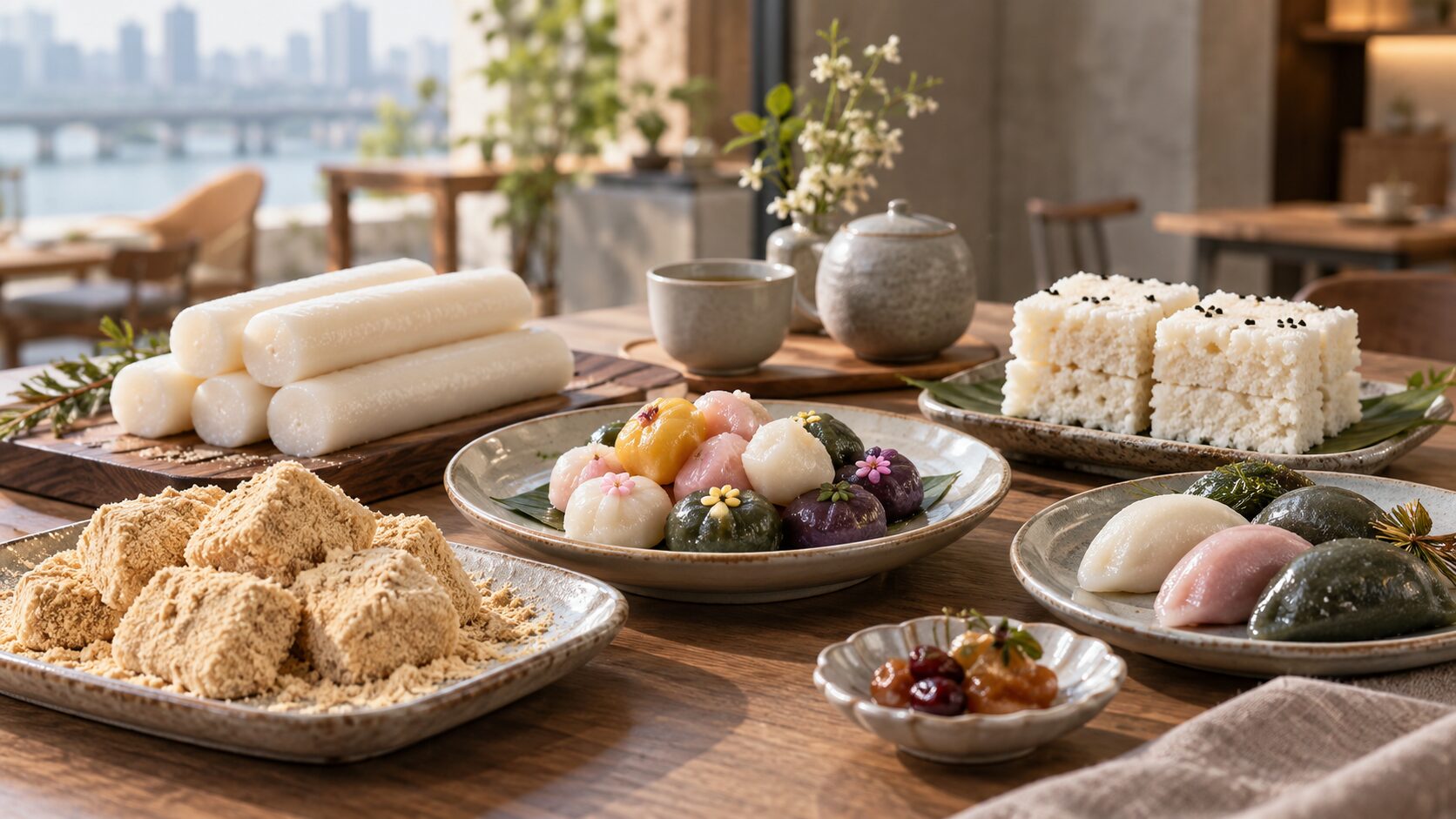
Assortment of traditional Korean tteok rice cakes including injeolmi, garaetteok and songpyeon

One of Korea’s most talked-about dessert trends in 2026 has roots in a much older food tradition. In 2026, younger Koreans are lining up for trendy rice cakes, bakeries and cafés are experimenting with chewy tteok-inspired desserts, and international visitors are discovering that Korean “rice cake” means much more than the cylindrical pieces floating in … 더 읽기

What Is Tteokbokki? How Koreans Really Eat Korea’s Famous Spicy Rice Cakes

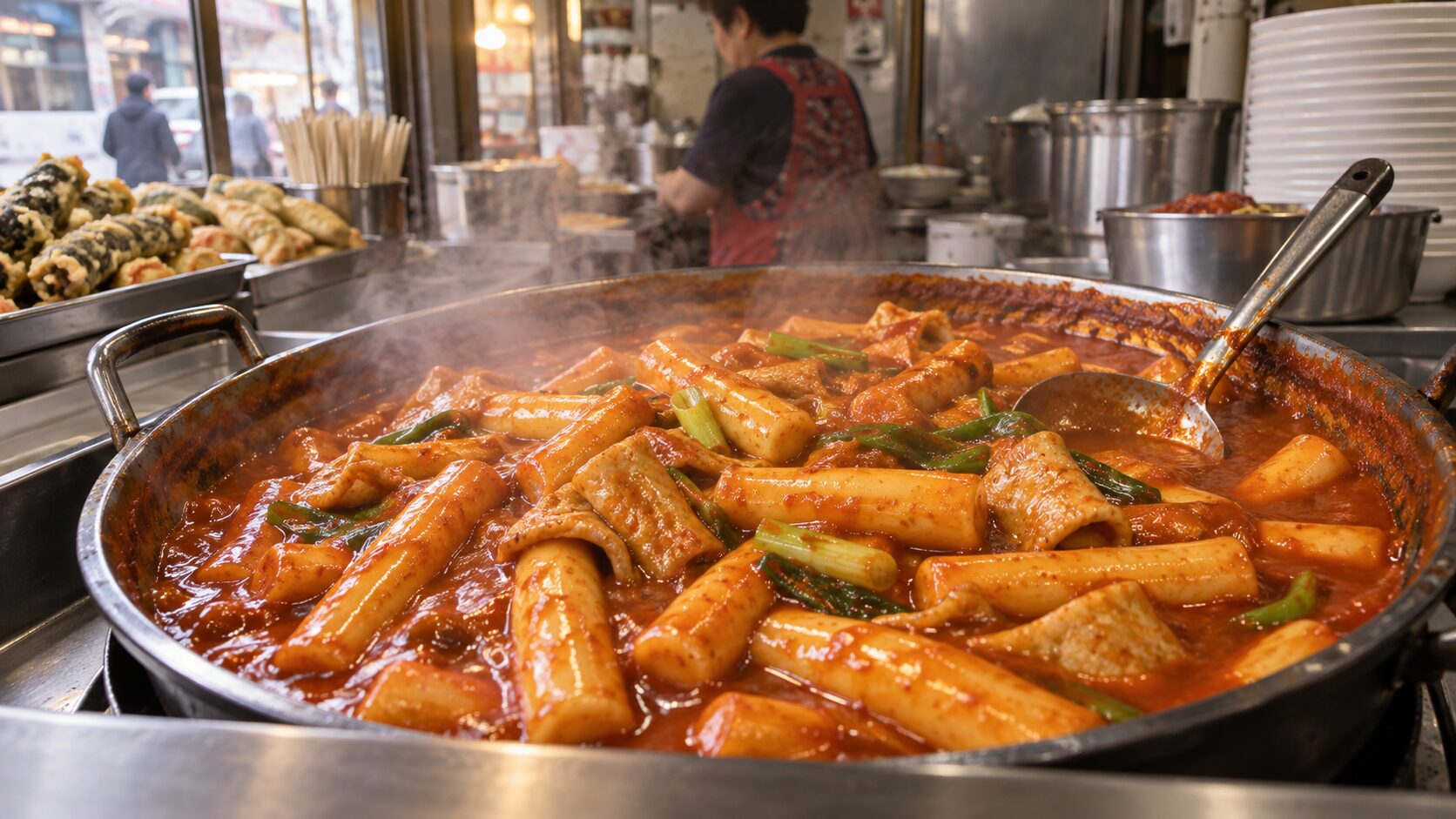
Tteokbokki Korean spicy rice cakes served at a local Korean bunsik shop

Walk past a Korean street-food stall or a small bunsik shop around lunchtime, and there is a good chance you will see a pan filled with bright red sauce and chewy rice cakes. That is tteokbokki (떡볶이), one of Korea’s most recognizable comfort foods. For Koreans, however, tteokbokki is more than simply “spicy rice cakes.” … 더 읽기