
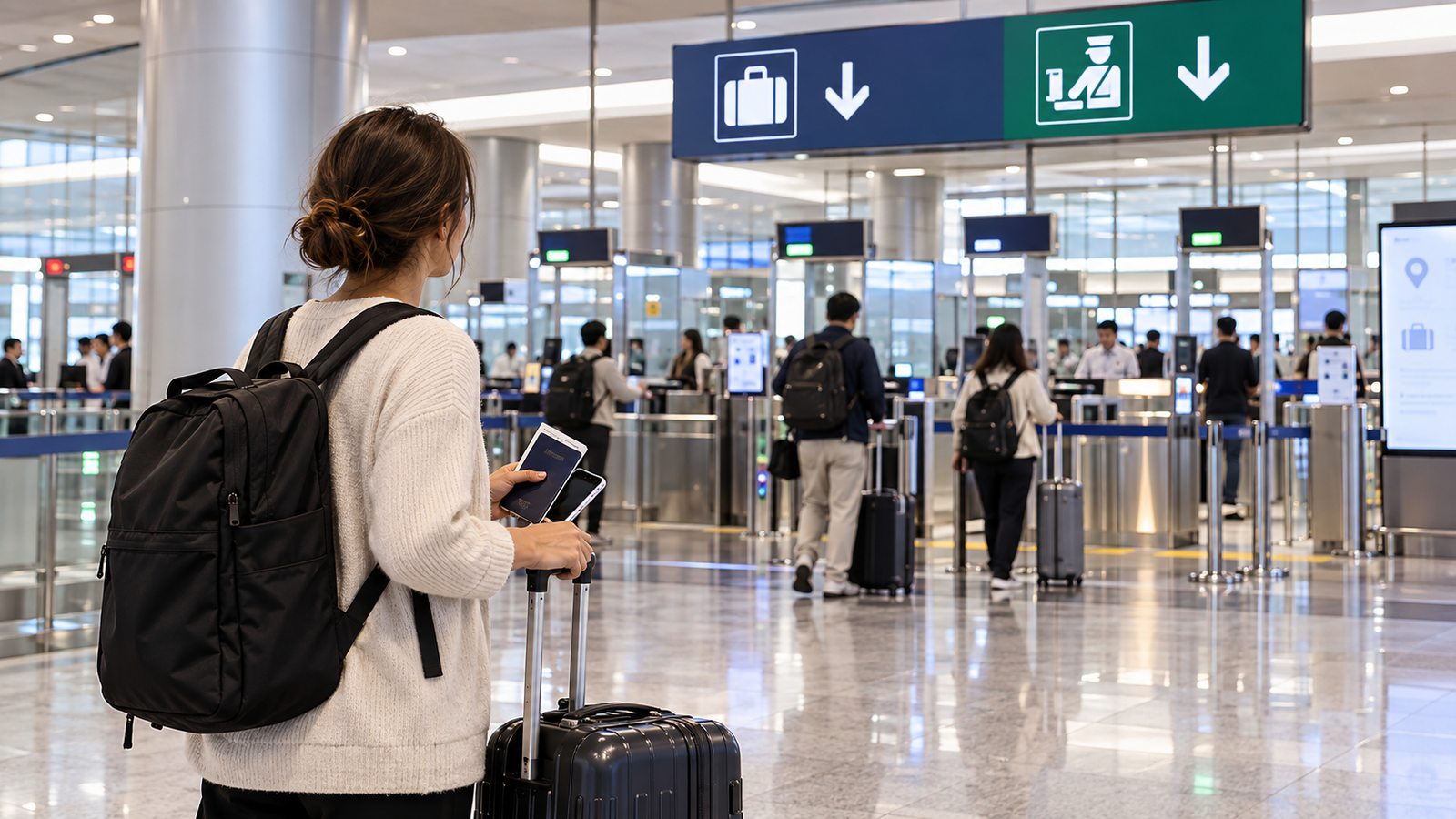
Arriving in South Korea is usually straightforward, but customs is one part of the airport process that travelers can easily misunderstand.
Do you need to fill out a customs form? Does the $800 allowance include duty-free shopping? What about alcohol, perfume, food, medicine or a large amount of cash?
The first thing to know is that not every traveler needs to submit a customs declaration.
If you have nothing that must be declared, you generally do not need to complete a traveler customs declaration. If you are carrying declarable goods, however, you need to follow Korea Customs Service rules.
Here is what international travelers should know before arriving in South Korea.
Do Tourists Need to Fill Out a Customs Declaration in Korea?
Not automatically.
South Korea removed the requirement for travelers with nothing to declare to complete a traveler customs declaration form in May 2023.
That means an ordinary tourist arriving with personal belongings and no declarable goods does not need to fill out a form simply because they entered Korea.
If you do have goods that must be declared, you need to make a customs declaration.
This is separate from immigration.
Korea’s e-Arrival Card deals with immigration information. A customs declaration deals with the goods, money and certain regulated items you are bringing into the country.
Completing one does not replace the other.
What Is South Korea’s Duty-Free Allowance?
For ordinary traveler belongings, South Korea’s basic duty-free allowance is up to US$800 per traveler.
This generally concerns goods acquired overseas or through duty-free shopping that are being brought into Korea.
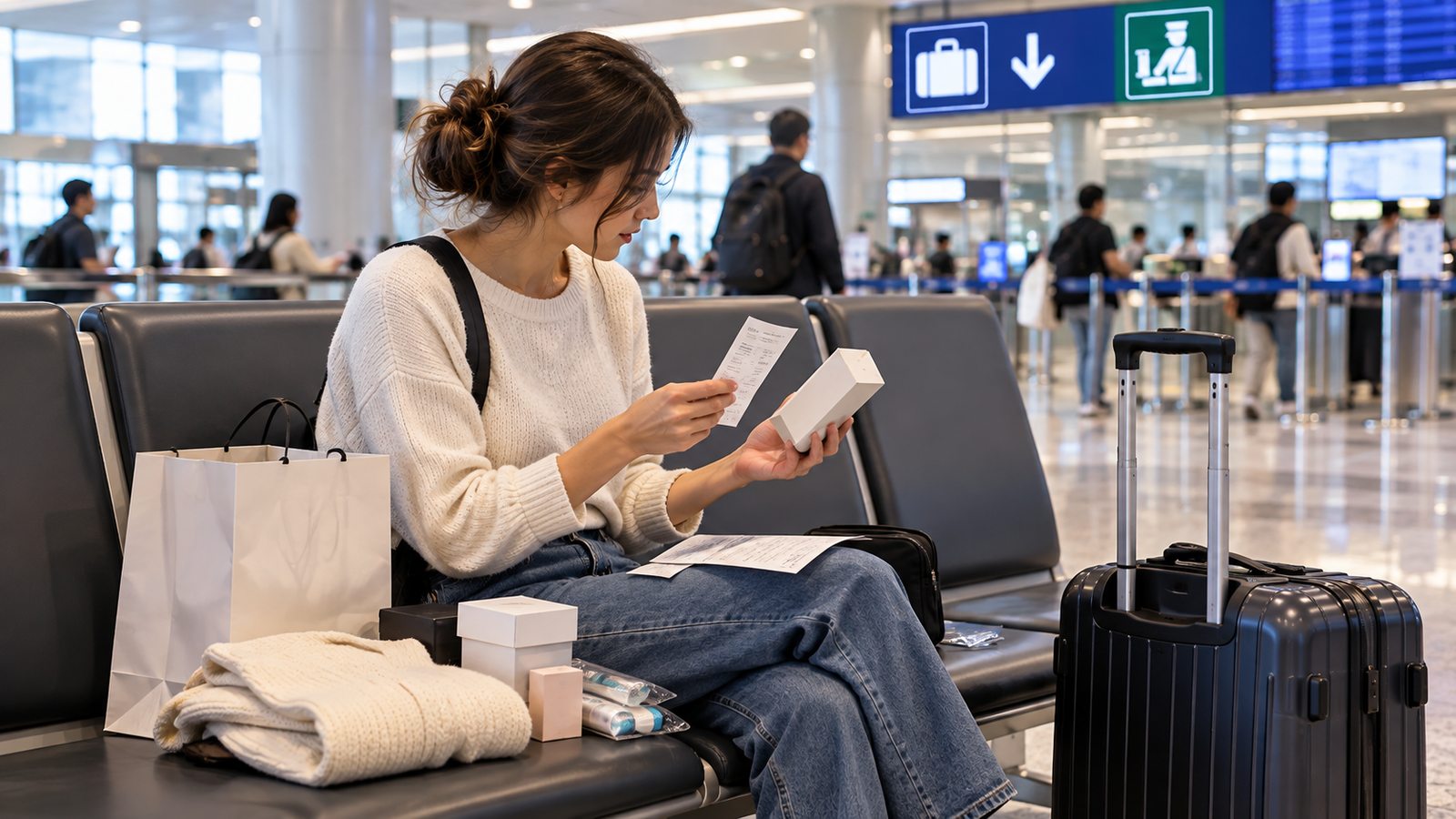
Your normal personal effects for the trip are not treated in exactly the same way as newly purchased goods simply because you are carrying a phone, clothing or other ordinary travel items.
The important question is whether the goods you are bringing fall within the applicable personal-use and duty-free rules.
If the value of applicable goods exceeds the allowance, declare them rather than assuming only the amount above $800 matters for deciding whether you need to report them.
Does Duty-Free Shopping Count Toward the $800 Allowance?
Yes, duty-free does not mean that anything purchased at a duty-free shop can be brought into Korea without limit.
Goods purchased at overseas shops and duty-free stores can count when Korea Customs determines the traveler’s allowance.
This is especially important for travelers who shop at an airport before flying to Korea.
Keep receipts for higher-value purchases. They can make it easier to establish what you paid if customs needs to determine the value of an item.
Alcohol, Tobacco and Perfume Have Separate Allowances
Alcohol, tobacco and perfume are treated separately from the basic $800 allowance.
Under the current rules, the separate duty-free limits include:
| Item | Duty-free allowance |
|---|---|
| Alcohol | Up to 2 liters in total and up to US$400 in total value |
| Cigarettes | 200 cigarettes |
| Perfume | Up to 100 mL |
Other tobacco categories have their own quantity limits.
Travelers under the applicable age threshold do not receive the same alcohol and tobacco exemptions.
If you are close to a limit, check the current Korea Customs Service rules before departure. Customs regulations can change, and an old travel blog or airport video may show an outdated allowance.
What Do You Need to Declare When Entering Korea?
The $800 shopping allowance is only one part of the customs rules.
You may need to declare goods if you are carrying:
- goods exceeding the applicable duty-free allowance;
- alcohol, tobacco or perfume above the separate allowance;
- certain agricultural, livestock, fishery or food products;
- animals, plants, fruit, vegetables or related products subject to inspection;
- restricted or controlled goods;
- goods intended for sale or commercial use;
- certain medicines or regulated substances;
- cash or other covered means of payment above the reporting threshold; or
- other goods specifically subject to customs or quarantine requirements.
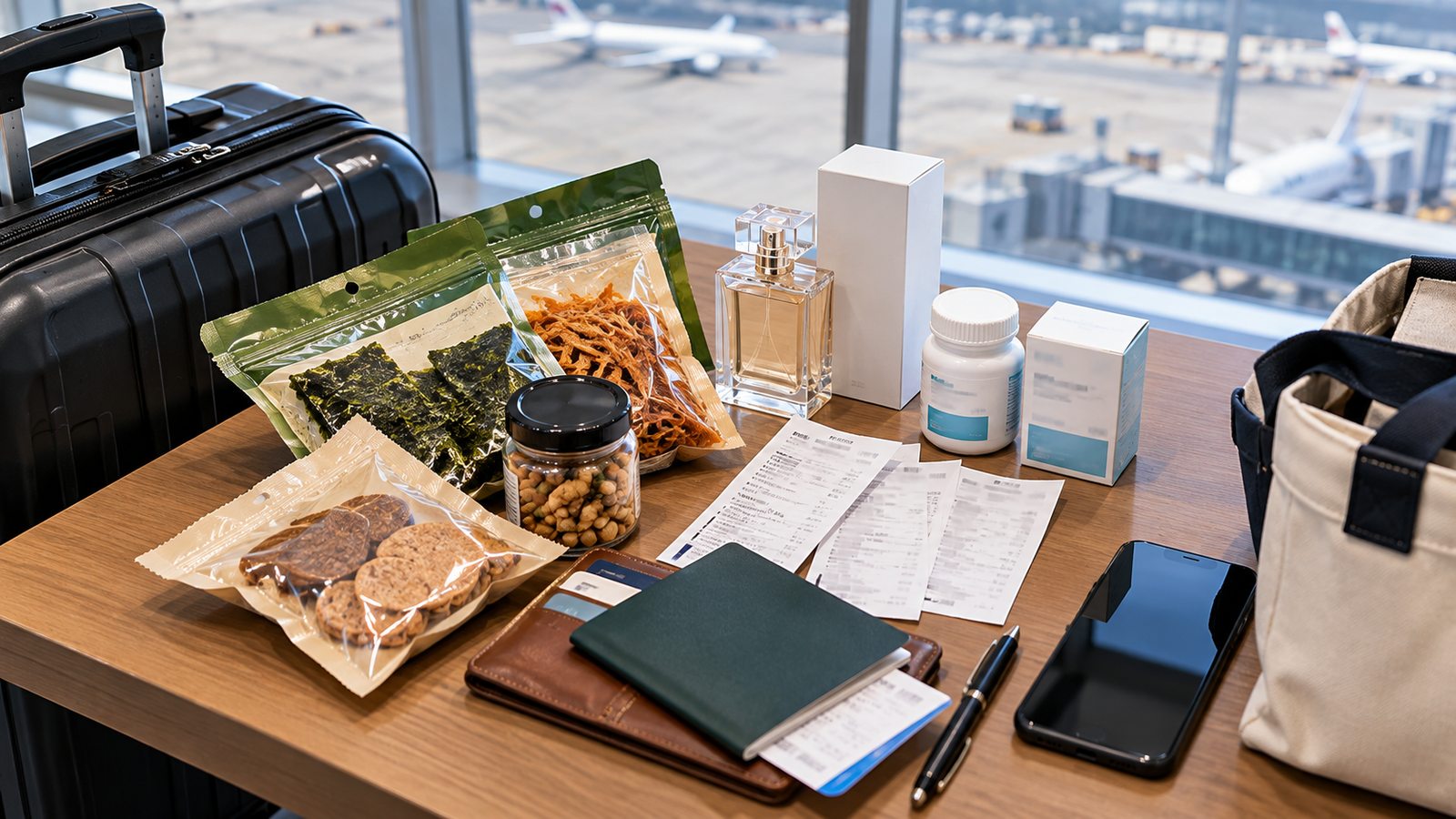
Some items can involve another government agency in addition to customs.
For example, meat, fruit, plants and other agricultural products can be subject to quarantine controls even when the amount seems small.
When in doubt, declaring an item and asking a customs officer is safer than deciding for yourself that a regulated item probably does not matter.
Can You Bring Food into South Korea?
Some food can be brought into Korea, but travelers should not assume that every packaged food product is automatically permitted.
Animal products, meat products, fresh fruit, vegetables, plants and agricultural products can be subject to quarantine or import restrictions.
Processed food can also require attention depending on its ingredients and category.
This is one reason the customs question is broader than the $800 duty-free allowance.
A low-value food item can still require declaration or inspection because of what it contains.
If you are carrying meat, fresh produce, plant material or unusual animal-based food products, check the current Korean customs and quarantine rules before flying.
What About Prescription Medicine?
Travelers should distinguish ordinary personal medication from controlled or specially regulated substances.
Do not assume that a medicine legally prescribed in your home country is automatically unrestricted in South Korea.
Requirements can depend on the medicine, active ingredient, amount and whether it falls under Korean controlled-substance rules.
Keep prescription medicine in clearly identifiable packaging where practical, and carry relevant prescription or medical documentation if the medicine may require explanation.
For medicine-specific questions, verify the requirements with the appropriate Korean authority before departure rather than relying on general customs advice.
Our guide to using a pharmacy in Korea explains what travelers should know if they need ordinary medicine after arriving.
How Much Cash Can You Bring into South Korea?
Travelers entering Korea with covered means of payment totaling more than US$10,000 or the equivalent must report it to customs.
This can include foreign currency, Korean won and certain checks or other covered payment instruments.
The rule is a reporting requirement. It should not be interpreted simply as a statement that carrying more than $10,000 is automatically prohibited.
If you need to make a foreign-currency declaration, complete it during the customs process and keep the certificate issued by customs.
Do not wait until after leaving the customs area to try to obtain the arrival declaration certificate.
For ordinary spending after arrival, our guide to paying in Korea as a tourist explains cards, cash and common payment situations.
How Do You Declare Goods at a Korean Airport?
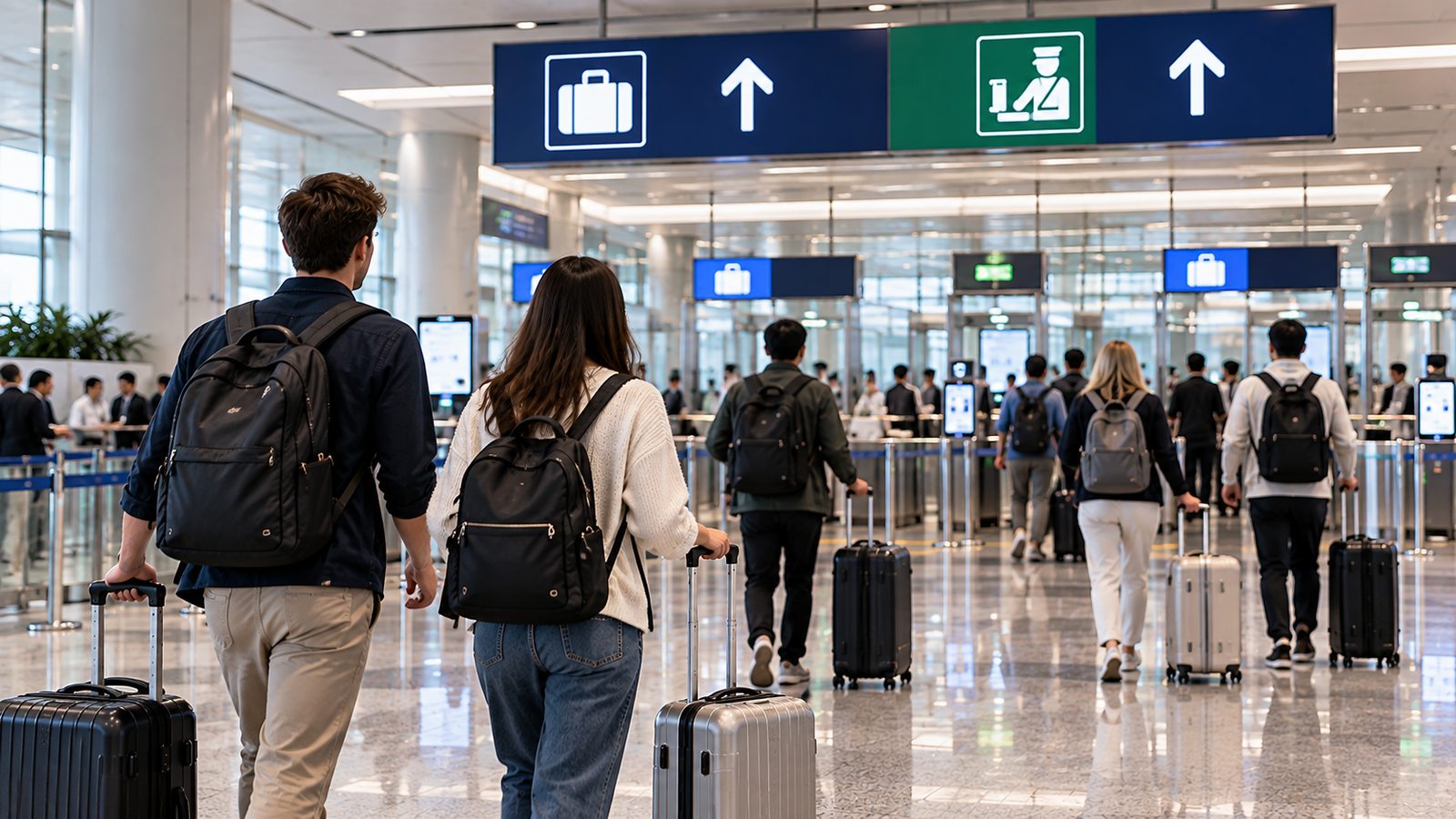
If you have something to declare, follow the signs for travelers with declarable goods.
At Incheon International Airport, travelers with declarable items can complete a traveler customs declaration and use the appropriate customs channel.
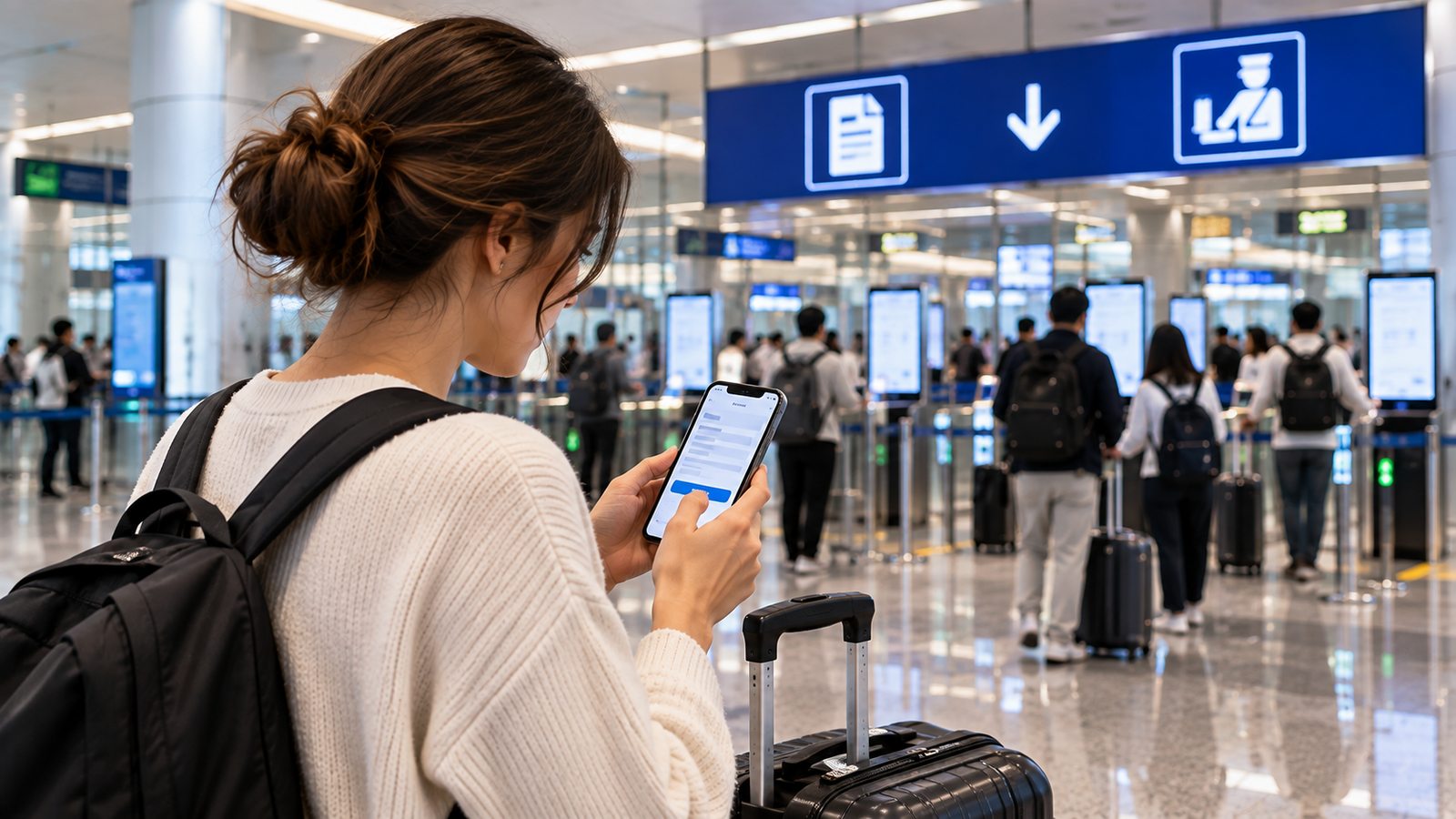
Mobile customs declaration is also available through Korea’s traveler customs declaration service.
Depending on the situation, the system can make declaration and tax payment more convenient.
Keep useful supporting information accessible, especially receipts for recently purchased higher-value items.
If you are uncertain whether an item needs to be declared, tell the customs officer what you are carrying rather than choosing the nothing-to-declare route based on a guess.
What Happens If You Exceed the Duty-Free Allowance?
Exceeding the allowance does not mean you should hide the purchase or leave it out of your declaration.
Korea encourages voluntary declaration.
For qualifying goods above the duty-free allowance, a voluntary declaration can result in a reduction of the applicable customs duty.
Failing to declare goods and then being caught can lead to additional tax and, depending on the item and circumstances, more serious consequences.
The practical rule is simple:
If you know you are over the allowance, declare it.
Trying to save a small amount of tax can become much more expensive if customs discovers an undeclared item.
Are Gifts Included in the Customs Allowance?
A gift is not automatically excluded just because you did not buy it for yourself.
Goods received overseas and brought into Korea can still be relevant to customs valuation and declaration rules.
If you are bringing expensive gifts, do not assume that calling them presents removes them from the duty-free calculation.
Keep any available information about their value and declare them when required.
The same caution applies if someone asks you to carry a package or expensive item into Korea for them.
Do not carry an unknown item across an international border without knowing exactly what it contains.
Is the Korea e-Arrival Card the Same as a Customs Declaration?
No.
This distinction is particularly important for first-time visitors.
The e-Arrival Card is part of Korea’s immigration arrival process.
The traveler customs declaration concerns goods and other declarable items you are bringing into Korea.
A traveler may need an e-Arrival Card but have nothing to declare at customs.
Another traveler may have a different immigration status but still need to declare goods.
Treat immigration and customs as separate steps.
Our Korea e-Arrival Card guide explains who needs the electronic arrival declaration and how the immigration process works.
What Happens After Immigration at Incheon Airport?
After completing immigration, collect your checked baggage and proceed toward customs.
If you have no declarable goods, follow the airport’s current directions for travelers with nothing to declare.
If you have declarable goods, complete the required declaration and follow the customs instructions.
Once you have cleared customs, you can continue into the arrivals hall.
If Incheon Airport is your entry point, our Incheon Airport to Seoul guide compares the AREX, airport buses and taxis for the next part of your journey.
Customs Allowance vs Tax Refund: Do Not Confuse Them
Two different tax concepts can appear during a Korea trip.
A customs duty-free allowance concerns goods you bring into South Korea.
A tourist tax refund generally concerns eligible purchases you make while visiting South Korea and the refund process associated with taking qualifying goods out of the country.
They are not the same system.
If you plan to shop during your trip, our Korea tax refund guide explains the separate tourist refund process.
A Simple Korea Customs Checklist Before You Fly
Before leaving for Korea, take a few minutes to check what is inside your luggage.
Check newly purchased goods.
Add up relevant purchases and compare them with the current basic allowance.
Check alcohol, tobacco and perfume separately.
These categories have their own limits.
Check food carefully.
Meat, fresh produce, plants and agricultural products can involve quarantine rules.
Check medication.
Verify any controlled or unusual medication before traveling.
Check how much cash you are carrying.
More than US$10,000 or the equivalent in covered means of payment triggers a reporting requirement.
Keep important receipts.
Receipts can help establish the value of recent purchases.
Declare when required.
Do not use the nothing-to-declare route when you know you are carrying declarable goods.
Beware of Outdated Korea Customs Information
Customs rules change.
This is particularly important when researching Korea online because older official pages, blog posts, forum answers and travel videos can remain searchable long after an allowance has changed.
For example, older information may still mention a $600 basic allowance or previous perfume limits.
For a current trip, use the latest Korea Customs Service information and current Korean law rather than relying on an old screenshot.
This guide reflects rules checked in October 2026, but travelers carrying unusual, expensive or regulated goods should verify the applicable requirements again shortly before departure.
Frequently Asked Questions
How much can I bring into Korea duty-free?
South Korea’s current basic traveler duty-free allowance is up to US$800 for applicable personal effects and goods. Alcohol, tobacco and perfume have separate limits.
Do I need to fill out a customs declaration form when entering Korea?
Not if you have nothing that must be declared. Korea removed the general form requirement for travelers with nothing to declare in May 2023. Travelers carrying declarable goods still need to declare them.
How much alcohol can I bring into Korea duty-free?
The current separate allowance is up to 2 liters in total with a total value of no more than US$400. Check current Korea Customs Service guidance before traveling because allowances can change.
Do I have to declare cash when entering Korea?
If you bring covered means of payment totaling more than US$10,000 or the equivalent into Korea, you must report it to customs.
Is the Korea e-Arrival Card a customs declaration?
No. The e-Arrival Card is an immigration arrival declaration. Customs declaration is a separate process covering goods, money and other declarable items.
What should I do if I am not sure whether something must be declared?
Declare it or ask a customs officer. This is particularly important for food, plants, animal products, medicine, high-value goods and other regulated items.
Sources & Further Reading
Korea Customs Service — Customs Clearance Guide for Passengers
Korea Customs Service — Declaration of Foreign Currency
Korea Customs Service — On-Arrival Duty-Free Shops
Incheon International Airport — Customs Declaration and Duty-Free Guidance
Korean Law Information Center — Enforcement Rule of the Customs Act, Article 48
Incheon International Airport — Customs Declaration
Korea Customs Service — Traveler Customs Regulation Reform and Mobile Declaration