
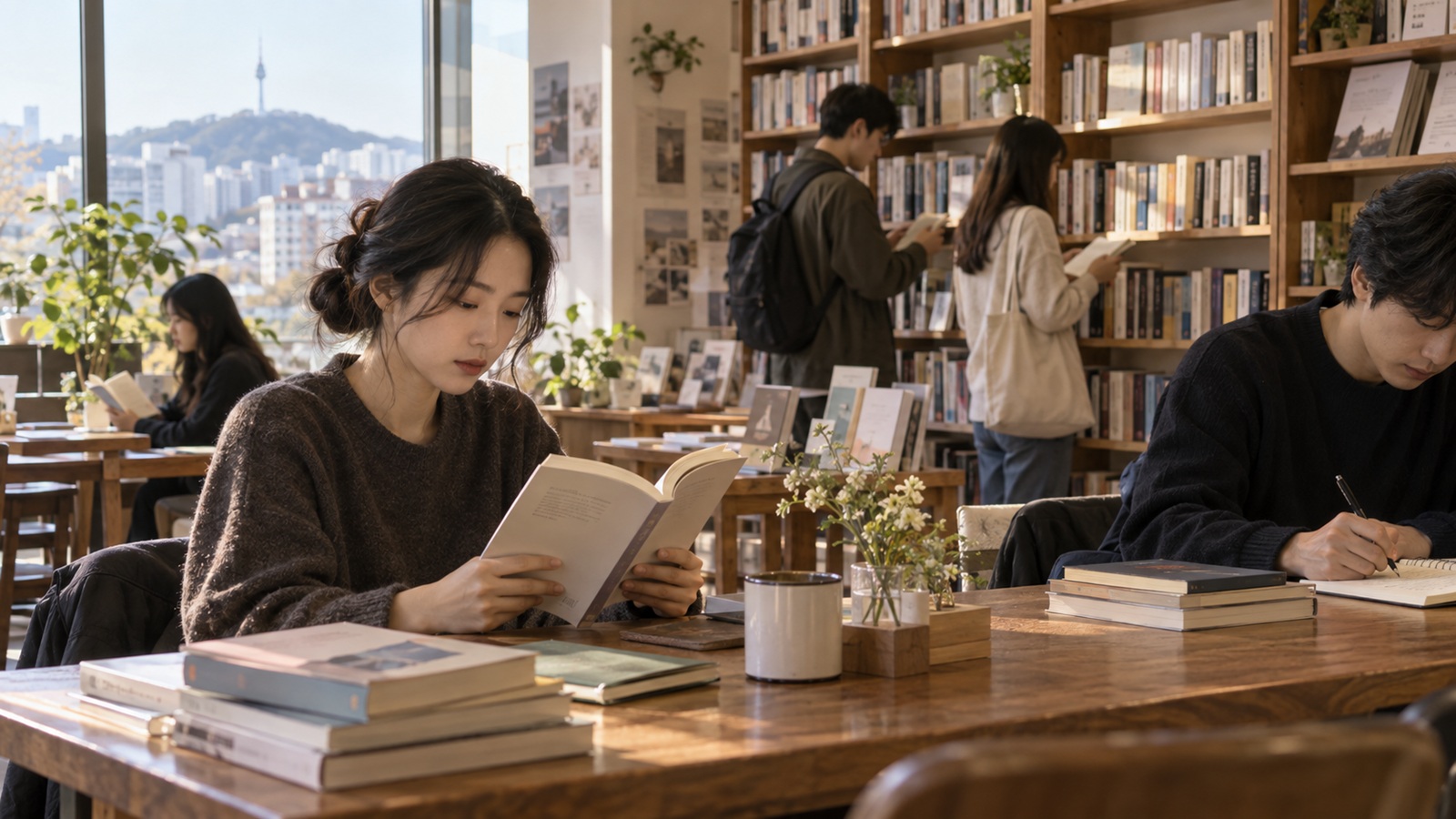
Reading a book might not sound like the most obvious youth trend. In Korea, however, books have become part of a broader lifestyle movement that mixes reading, self-expression, social media, book fairs and even literary merchandise.
The trend has a name: Text Hip.
A combination of “text” and “hip,” the Korean term text hip (텍스트힙) describes the idea that reading, writing and engaging with literature can feel stylish, personal and culturally relevant.
And in 2026, the trend is still visible — especially among younger Koreans.
What Does “Text Hip” Mean in Korea?
Text Hip is not a new genre of literature or a formal reading movement.
It is better understood as a cultural label for the way books and written words have become part of how some young Koreans express their tastes and identities.
Someone participating in Text Hip culture might read a novel, underline a memorable sentence, photograph it, share the passage on social media and later visit a book fair or independent bookstore.
Reading becomes more than a private activity.

It can also become something to record, display, discuss and share.
That social element helps explain why Text Hip looks different from a traditional image of reading quietly from beginning to end.
Are Young Koreans Actually Reading More?
This is where the story becomes more interesting.
Korea as a whole is not experiencing a simple nationwide reading boom.
The country continues to face concerns about declining adult reading rates. Yet purchasing data suggests that younger readers are showing stronger interest in literature.
According to sales data from Korean online bookstore Yes24, purchases of fiction, poetry and plays by customers in their teens and 20s increased 13.6% year over year in the first quarter of 2026.
The retailer also reported increases in this age group’s literary purchases in 2024 and 2025. These figures show a shift in purchasing behavior among Yes24 customers, not a nationwide increase in the number of people reading books.
That followed increases in 2024 and 2025, creating three consecutive years of growth in literary purchases among younger readers.
The trend has also reached older literary works.
Sales data reported in 2026 showed sharp growth in purchases of world literature classics among teenagers and people in their 20s.
That makes Text Hip more interesting than a simple social-media hashtag.
That makes Text Hip more than a social-media label: bookstore sales data provides evidence of changing purchasing habits among some younger consumers, even if it cannot tell us how much they actually read.
Why Did Reading Become “Hip”?
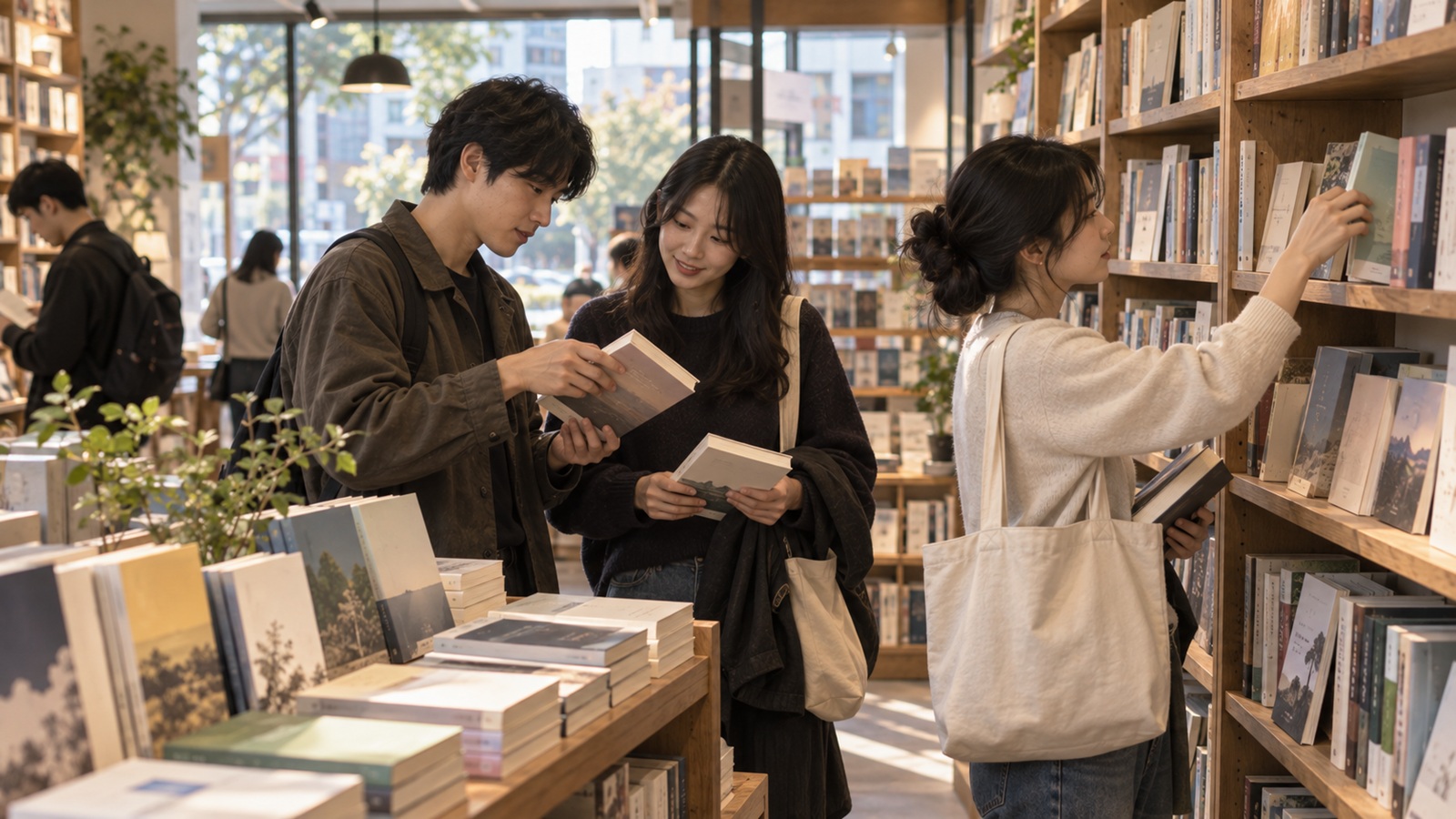
Several changes have come together.
Reading Became a Way to Show Personal Taste
Music, fashion and cafés have long helped people communicate something about themselves.
Books can do the same.
The novel someone carries, the sentence they highlight or the bookstore they visit can become another expression of personal taste.
For younger readers who are used to documenting everyday life online, books fit naturally into that culture.
Social Media Made Reading More Visible
Reading is traditionally private.
Social media makes it visible.
People can share reading notes, favorite passages, book covers, bookstore visits and recommendations. A book discovered through an online post can then generate another post from the next reader.
The result is a cycle in which reading moves between offline and online spaces.
Bookstores and Book Fairs Became Cultural Destinations
The popularity of major literary events also shows how books are being experienced beyond the act of reading itself.
The 2026 Seoul International Book Fair attracted intense interest, with advance tickets selling out and large crowds visiting the event.
Visitors came not only to buy books but also to meet authors, discover publishers and browse literary merchandise.
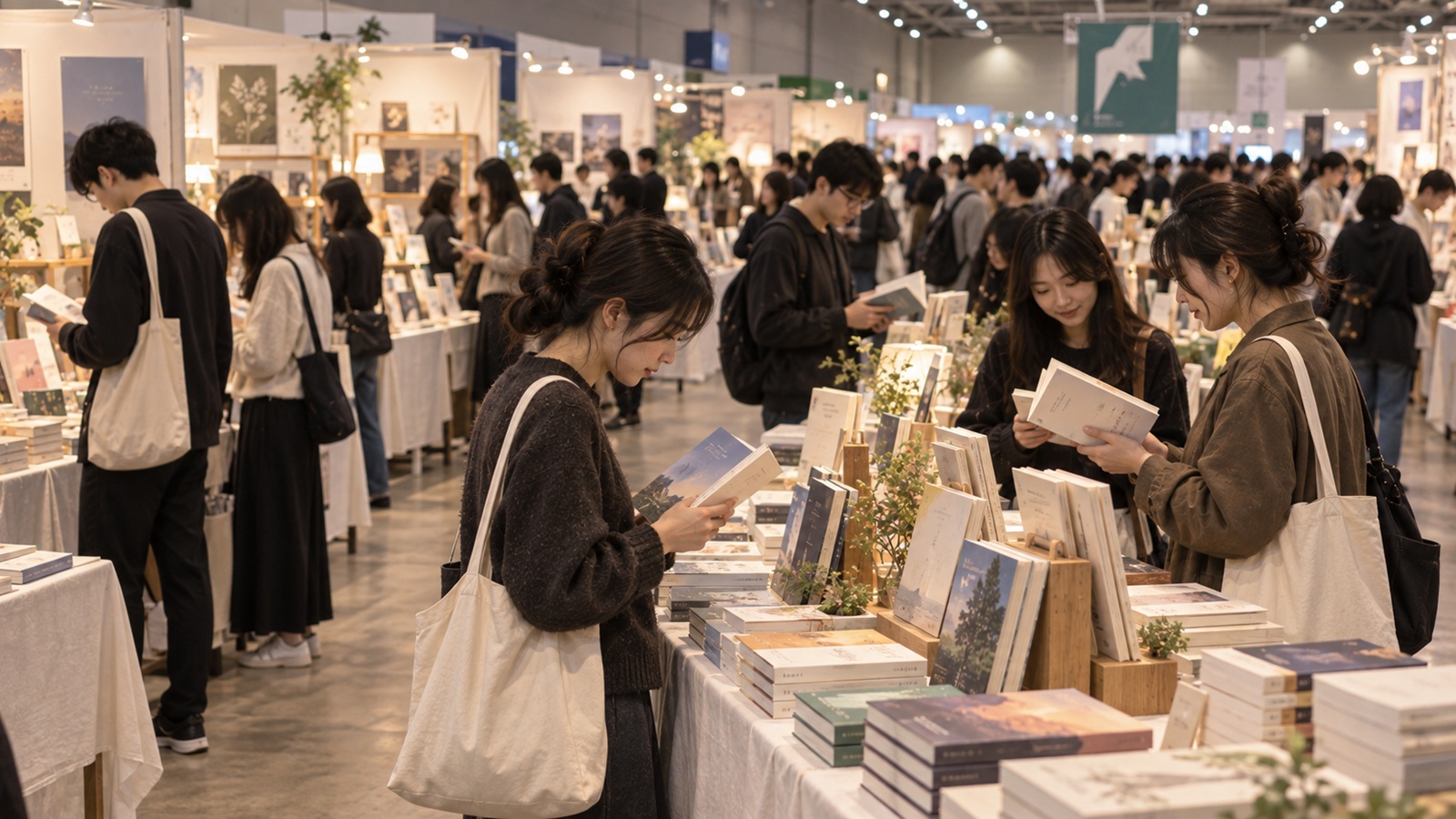
Book fairs increasingly resemble cultural events rather than purely commercial book markets.
Literary Goods Are Part of the Trend
One of the most distinctive parts of Text Hip is the growth of products inspired by books and literature.
Publishers and bookstores now sell items such as notebooks, bookmarks, bags and other goods connected to authors, books or reading.
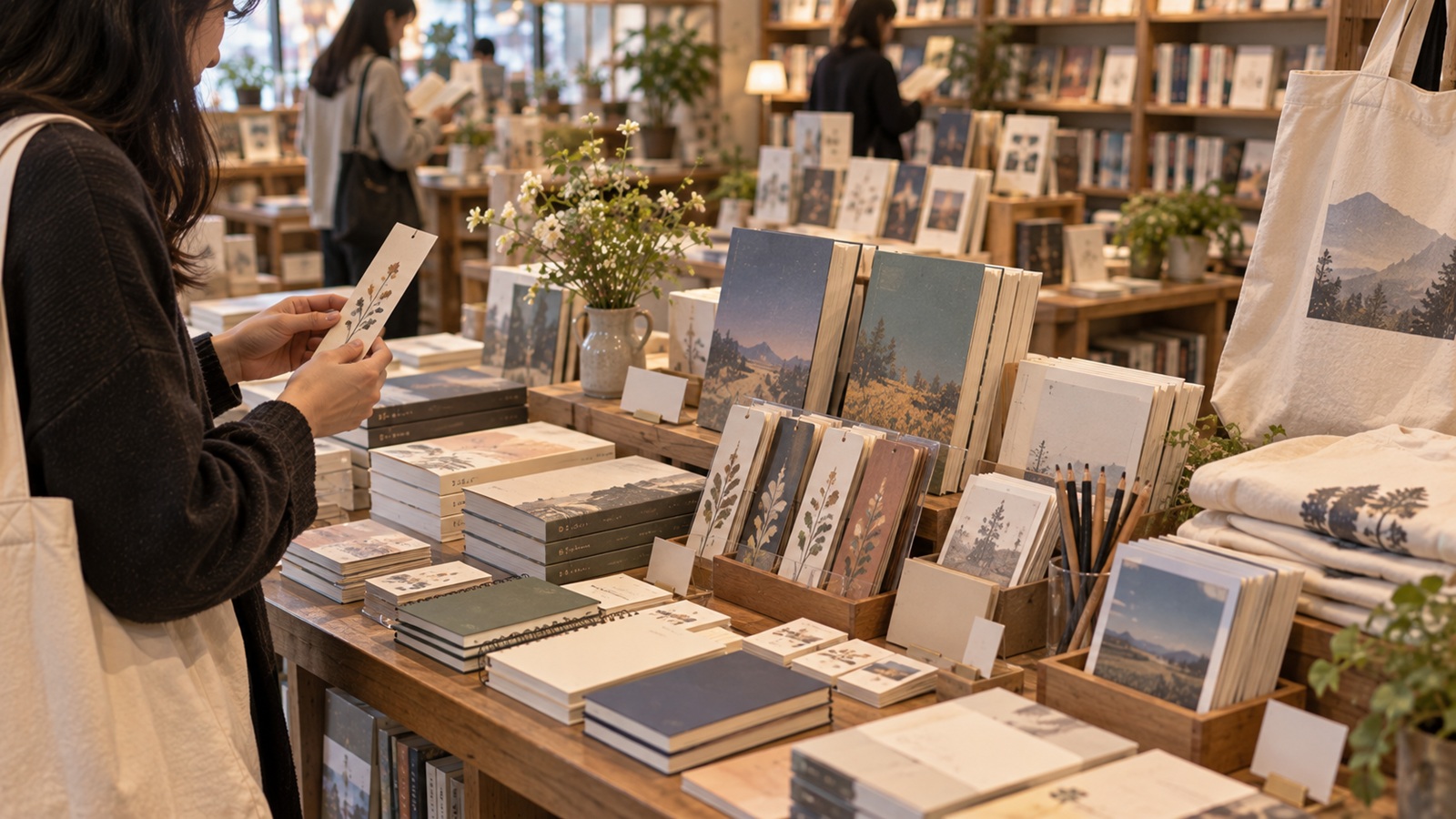
In Korea, the phenomenon has even extended into unexpected collaborations and limited-edition products.
This has also created debate.
If someone attends a book fair primarily for merchandise or posts a book online without finishing it, does that really count as a reading revival?
There is no simple answer.
But that tension is precisely what makes Text Hip culturally interesting.
Korea Still Has a Reading Paradox
Text Hip does not mean that everyone in Korea has suddenly started reading.
National reading statistics continue to show a much more complicated picture.
Korea’s overall adult reading rate remains relatively low, while book fairs, literary merchandise and reading-related spaces can attract large crowds.
Rather than treating those facts as contradictory evidence that one side must be wrong, it is more useful to see them as two different trends happening at the same time.
Traditional reading habits may be weakening among the broader population while a younger group is turning books into a more visible cultural and social activity.
Text Hip exists inside that contradiction.
Is Text Hip the Korean Version of BookTok?
There are obvious similarities.
Both involve younger audiences discovering books through digital platforms and sharing reading experiences online.
But Text Hip is not simply a Korean translation of BookTok.
The Korean term describes a wider lifestyle around text itself: reading, writing, recording passages, visiting book-related spaces and using literature as a way to communicate personal taste.
It also exists within Korea’s own publishing industry, bookstore culture and rapidly changing youth lifestyle trends.
That local context is what makes the phenomenon worth understanding on its own.
Where Can Travelers See Text Hip Culture in Korea?
Visitors do not need to attend a major book fair to notice the trend.
Large bookstores in Seoul, independent bookstores, reading cafés and neighborhoods with strong publishing or cultural scenes can all offer glimpses of Korea’s contemporary book culture.
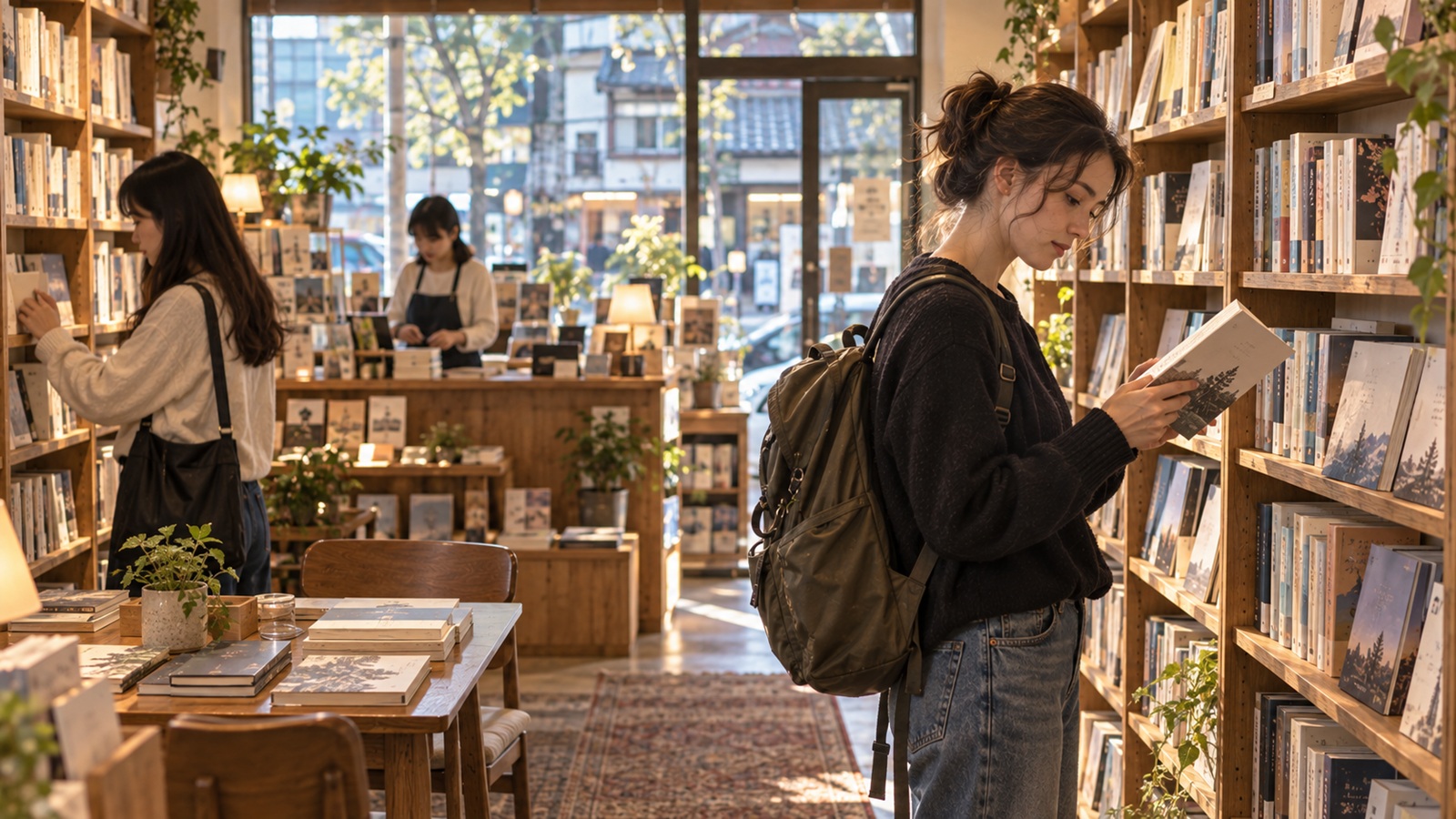
The experience can be surprisingly different from visiting a bookstore only to purchase a title.
Some spaces encourage visitors to browse slowly, discover independent publications, attend talks or simply spend time around books.
For travelers interested in everyday Korean culture, these places can reveal a quieter side of Seoul that exists alongside K-pop, beauty shopping and busy food districts.
Will Text Hip Last?
The phrase itself may eventually become less fashionable. Korean trend words often do.
The behavior behind it may have more staying power.
Reading as self-expression, social reading, literary events and book-related lifestyle products are connected to broader changes in how younger people discover and participate in culture.
That means Text Hip may be remembered less as a short-lived buzzword and more as one stage in the evolution of Korea’s reading culture.
For now, it offers an interesting snapshot of contemporary Korea: a country concerned about declining reading rates where books, at the same time, have become unexpectedly cool again.
FAQ
What does Text Hip mean in Korea?
Text Hip combines the English words “text” and “hip.” In Korea, it refers to a trend in which reading, writing and engaging with books are viewed as stylish forms of culture and self-expression.
Is Text Hip only popular with Gen Z?
The trend is particularly associated with younger Koreans, including teenagers and people in their 20s and 30s, but book fairs and literary spaces attract visitors from a much wider range of ages.
Is Text Hip the same as BookTok?
Not exactly. The two overlap because social media helps people discover and share books, but Text Hip describes a broader Korean lifestyle trend involving reading, writing, book fairs, bookstores, literary goods and personal taste.
Are Koreans reading more because of Text Hip?
Not across the entire population. Korea still has relatively low adult reading rates. However, recent sales data shows increasing literary purchases among teenagers and people in their 20s, suggesting stronger engagement among some younger readers.
Where can tourists experience Korea’s book culture?
Major bookstores, independent bookstores, reading cafés and literary events in Seoul are good starting points. The Seoul International Book Fair is one of the country’s largest book events, although it takes place only during a limited annual period.
Is Text Hip still popular in 2026?
Yes. Korean media, publishing data and the strong turnout at literary events in 2026 show that the trend remains visible, although how long the term itself will stay fashionable is impossible to predict.
Sources & Further Reading
KCI — 2026 academic study on Text Hip and the socialization of reading taste
Kyunghyang Shinmun — Young literary purchases rise for a third consecutive year
Seoul Economic Daily — Gen Z Text Hip trend expands to literary classics
The Korea Times — 2026 Seoul International Book Fair amid the Text Hip boom
September 2026 report — Korea’s reading boom, literary goods and the reading-rate paradox