
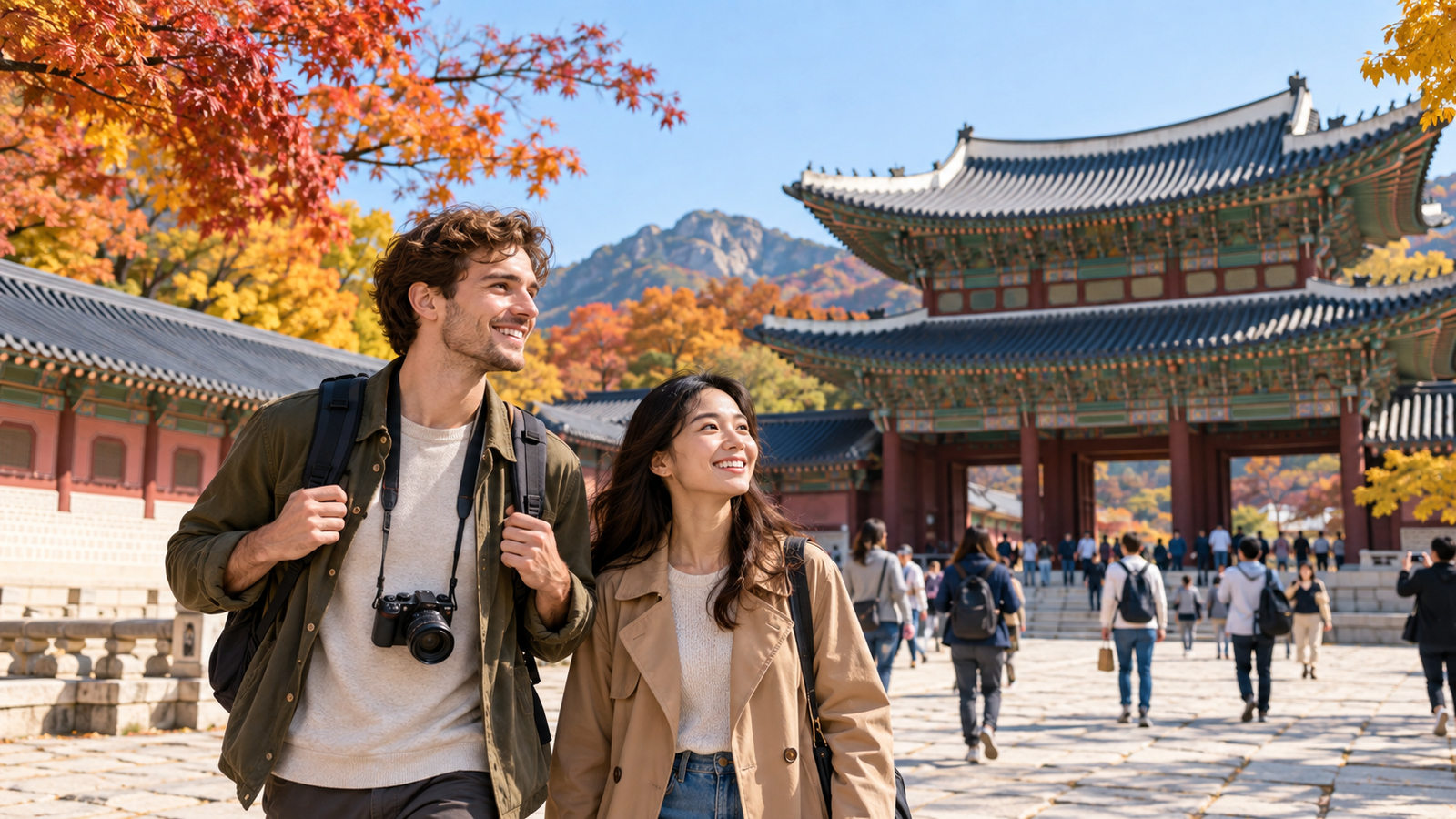
A public holiday in South Korea does not mean your sightseeing plans have to stop. You may find a palace hosting a cultural event, a museum welcoming visitors or a busy shopping district operating much as usual.
The bigger changes often happen during Seollal (Lunar New Year) and Chuseok, when many people travel to spend time with family. Intercity transportation can be harder to book, and some restaurants and shops close for part of the holiday.
If your trip overlaps with a Korean public holiday, the key is to know which plans need advance booking and which opening hours you should check again before setting out.
Are Tourist Attractions Open on Korean Public Holidays?
Many attractions remain open on public holidays, but there is no single rule that applies to every venue.
Palaces, museums and cultural attractions may operate special holiday schedules. Some offer free admission or traditional cultural programs during Seollal and Chuseok. Others may close on the holiday itself or take a substitute closing day afterward.
A useful example comes from the 2026 Chuseok holiday. Changdeokgung Palace offered free admission to its palace buildings from September 24 to 27, but its regular palace-building guided tours were suspended. The Secret Garden was not included in the free admission, and its guided tours operated separately. Free entry did not mean every visitor service was available.
Before visiting an attraction, check four separate details on its official website: whether it opens on your exact date, its opening and last-entry times, any separate reservation requirements, and whether guided tours operate in your preferred language.
If Gyeongbokgung is on your itinerary, our Gyeongbokgung Palace guide explains the usual visit-planning basics. Check the palace’s latest holiday notice for temporary changes.
What Changes During Seollal and Chuseok?
Seollal and Chuseok are two of Korea’s most important traditional holidays. They are also the holidays most likely to affect an international visitor’s travel arrangements.
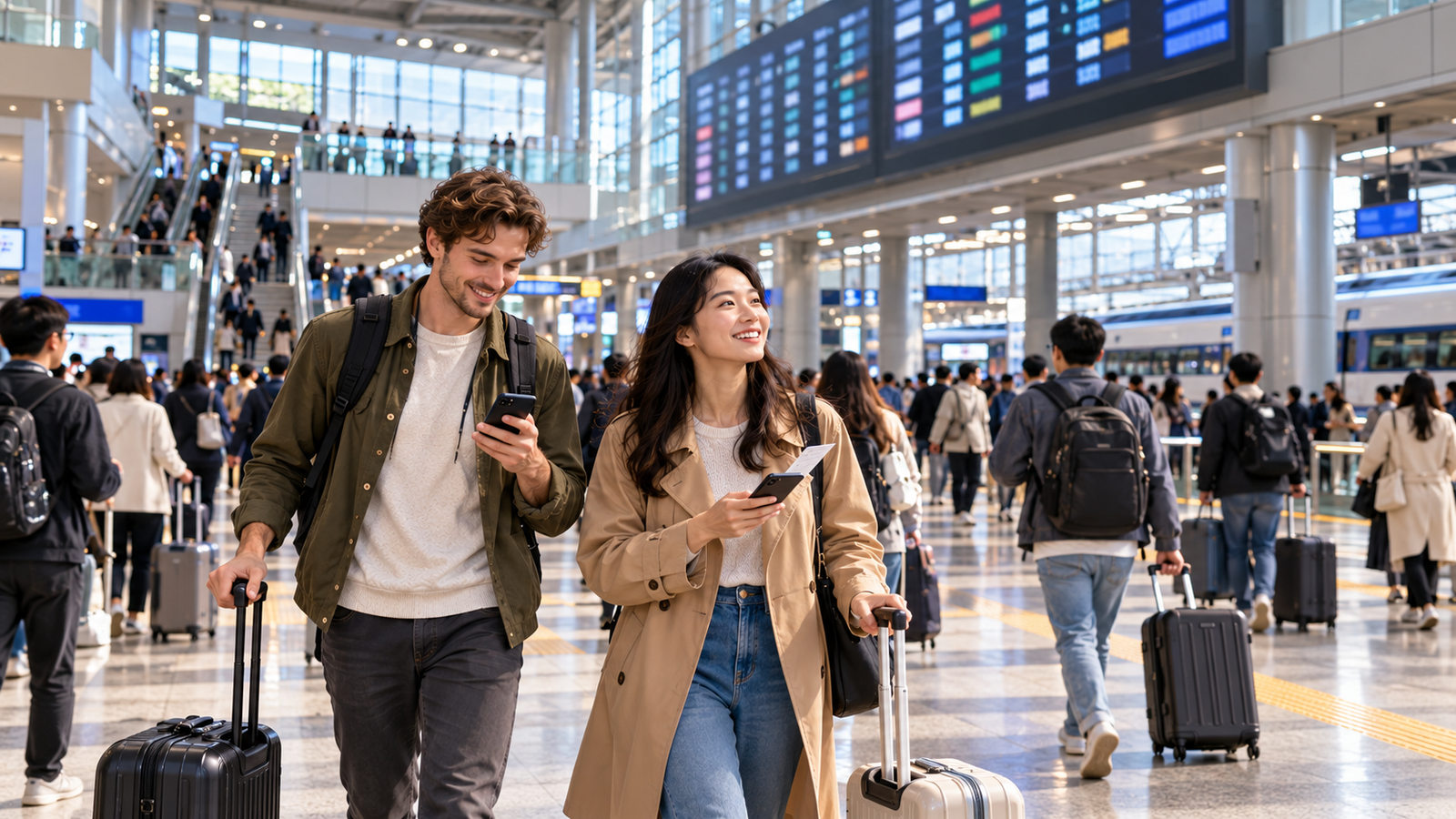
During these periods, many people travel between major cities and their hometowns. This can increase demand for trains, express buses and flights around the beginning and end of the holiday.
At the same time, the atmosphere in tourist areas can be different from a normal weekday. Cultural venues may organize traditional games and performances, while some neighborhood businesses close so staff can spend time with family.
Seollal: Korean Lunar New Year
Seollal follows the lunar calendar, so its dates change each year on the Gregorian calendar. Families may gather, share traditional food and observe New Year customs. For travelers, the main practical considerations are intercity transportation and business hours. A small restaurant may close for several days while a major attraction runs a special program.
Chuseok: Korea’s Autumn Holiday
Chuseok also follows the lunar calendar. It is associated with family gatherings, harvest traditions and travel to hometowns. If you are staying in Seoul throughout the holiday, you may still have plenty of sightseeing options. If you plan to travel between Seoul and another city, confirm transportation before building your itinerary around it.
Do not assume every business closes or every attraction stays open. The exact schedule depends on the venue and the year.
Do Trains and Buses Run During Korean Holidays?
Yes, trains and buses continue operating during major Korean holidays. The main challenge is demand for particular journeys rather than a nationwide shutdown. Popular intercity tickets can sell out, and operators may announce special holiday booking arrangements.
Booking KTX and Other Intercity Trains
If you need a train between Seoul and another city during a major holiday, check the railway operator’s official reservation notice as early as possible. Do not assume its normal booking routine applies when a special holiday sales period is announced.

Confirm your departure station as well as the date and time. Seoul has several major railway stations, and a ticket from one is not interchangeable with a departure from another.
Our guide to booking KTX train tickets in Korea covers the regular booking and boarding process. For a holiday journey, the operator’s latest announcement should take priority over a general guide.
Booking Express and Intercity Buses
Long-distance buses are another option, but they can also be busy around major holidays. Check the departure terminal carefully: different services may leave from different terminals in the same city.
Our express and intercity bus guide explains the services and what to check when booking. If your preferred departure is unavailable, compare another time or route before committing to a nonrefundable activity.
What About the Seoul Subway?
A public holiday does not mean Seoul’s subway stops running. However, service patterns, first and last trains, and special late-night extensions may differ by date. Use an up-to-date route planner and check the transport operator’s notices.
Our Seoul subway and T-money guide explains the regular fare and card options.
Are Restaurants, Cafés and Shops Open on Korean Holidays?
Some are, and some are not. The answer depends on the holiday, neighborhood and individual business.
During ordinary public holidays, popular shopping areas and tourist districts may remain active. During Seollal or Chuseok, some department stores, shopping malls and restaurants close on the main holiday or for part of the break.
Convenience stores and businesses in tourist areas may stay open, but individual branches can have different hours. Check the latest notice or contact a particular restaurant before traveling across the city.
A practical approach is to identify two or three meal options near your accommodation or main sightseeing area. Korean map apps can help you find current business information, but a listed schedule is not a guarantee when a business announces a special closure.
For navigation and translation tools, see our essential apps for traveling in Korea.
Are Banks and Government Offices Closed?
Government offices and banks are generally closed on public holidays. If you need an in-person administrative service or bank visit, arrange it for a regular business day and check the specific office’s schedule.
For everyday travel spending, prepare a working payment card and some Korean won before a major holiday. Our guide to paying in Korea as a tourist explains cards, cash and transportation payments.
Can You Enjoy Special Holiday Events as a Tourist?
Yes. Major holidays can be an opportunity to experience Korean culture, provided you check the event details for your travel dates.
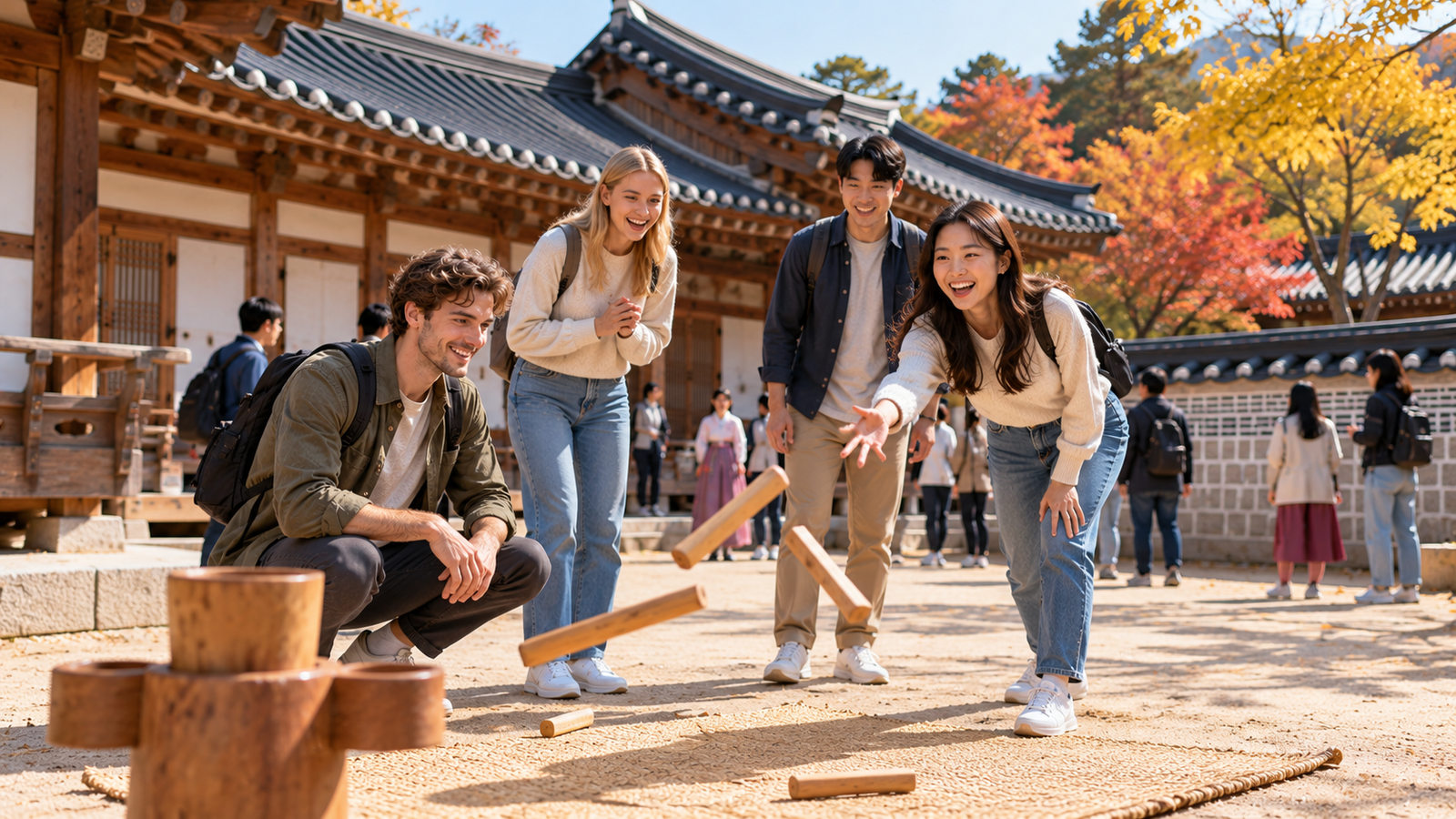
Palaces, museums and traditional cultural venues sometimes offer performances, folk games, exhibitions or free admission. Programs, language support, reservations and operating hours can change each year.
Seoul’s official 2026 Chuseok announcement listed cultural events and special opening arrangements at several attractions, but also showed that some facilities closed on Chuseok Day while others remained open. Start with official tourism and venue websites rather than assuming last year’s event will return on the same dates.
Which South Korean Public Holidays Should Travelers Check in 2026?
As of September 28, the major public holidays still ahead in 2026 include National Foundation Day on October 3, its substitute holiday on October 5, Hangeul Day on October 9 and Christmas Day on December 25. The October dates create long weekends for some travelers, so check your individual attraction and transportation plans.
| Date | Holiday | Planning note |
|---|---|---|
| October 3 | National Foundation Day | Saturday in 2026 |
| October 5 | Substitute public holiday | Check special opening and following-day closure notices |
| October 9 | Hangeul Day | Friday in 2026 |
| December 25 | Christmas Day | Check individual venue schedules |
The 2026 Seollal holiday was February 16–18, and Chuseok was September 24–26; both have already passed at the time of this article’s September 2026 update. Their dates change each year because they follow the lunar calendar. Always check the official calendar for your travel year, including substitute holidays.
How to Plan a Korea Trip Around a Public Holiday
Secure essential intercity travel first. If your trip includes a long-distance journey near Seollal or Chuseok, check ticket availability before finalizing the rest of your itinerary.
Verify your must-see attractions. Check opening hours, last admission, reservations and guided tours separately. A venue may open on the holiday and close on a different day.
Prepare a flexible food plan. Save a few restaurants or cafés near your hotel and sightseeing destinations. Confirm the hours of any place you especially want to visit.
Leave room for changes. A holiday event may be worth attending, but it should not be your only plan unless you have confirmed its schedule. Check official notices again shortly before your visit.
Frequently Asked Questions
Is it a bad idea to visit South Korea during Chuseok?
Not necessarily. Many attractions and tourist areas remain accessible, and there may be special cultural events. The main considerations are busy intercity transportation and possible restaurant or shop closures.
Are Seoul’s palaces open during Seollal and Chuseok?
They may open with special schedules or free admission, but arrangements vary by palace and year. Check the Royal Palaces and Tombs Center’s latest notice, including guided tours and separately reserved areas.
Does the Seoul subway run on public holidays?
Yes, but check the timetable for your exact date. Some holidays have special service arrangements, and regular weekday schedules should not be assumed.
Do Korean restaurants close on public holidays?
Some do, particularly during Seollal and Chuseok. Others remain open, especially in tourist areas. Check the individual restaurant rather than relying on a general rule.
Should I book KTX tickets early for Chuseok or Seollal?
Yes. Check the operator’s official holiday reservation announcement and book as soon as the appropriate sales period allows. Popular journeys can be difficult to secure.
Are Korean public holiday dates the same every year?
Some holidays have fixed Gregorian dates, while Seollal and Chuseok follow the lunar calendar and change dates each year. Substitute holidays can also affect opening schedules.
Sources & Further Reading
- Korea Tourism Organization — Public Holidays and 2026 Calendar
- Korea Tourism Organization — 2026 Seollal Holiday Travel Guide
- Korea Tourism Organization — 2026 Chuseok Holiday Travel Guide
- Seoul Metropolitan Government — 2026 Chuseok Holiday Information
- Royal Palaces and Tombs Center — Changdeokgung 2026 Chuseok Admission and Tour Notice
A Korean public holiday can add something memorable to your trip, but it rewards extra planning. Confirm your intercity travel, check priority attractions directly and keep a backup meal option. The calendar tells you when the holiday falls; the latest official notices tell you what you can actually do that day.